Aftersun
Lydia Blakeley
04.06.26 — 04.09.26
With: Lydia Blakeley.
Lydia Blakeley: A Conchology
There is something very vintage about a sunburst. To write about the art of Lydia Blakeley, I have to become the art historian Elisabeth Demand, the protagonist in Ali Smith’s novel Autumn (2016). It has been ten years since Blakeley graduated from the art school we both used to practice in, and I want to realise what the fictional Demand is working on now. As Derek Horton was quick to note, the pop art of Pauline Boty (1938-66) is a vibrant touchstone for Blakeley.[1] Boty’s collage-paintings or ‘pictures of pictures’ present Blakeley with a wealth of pictorial strategies: from abstract partitions to wistful expressions; from cult personas to the glamour and gossip of the minibreak.[2]
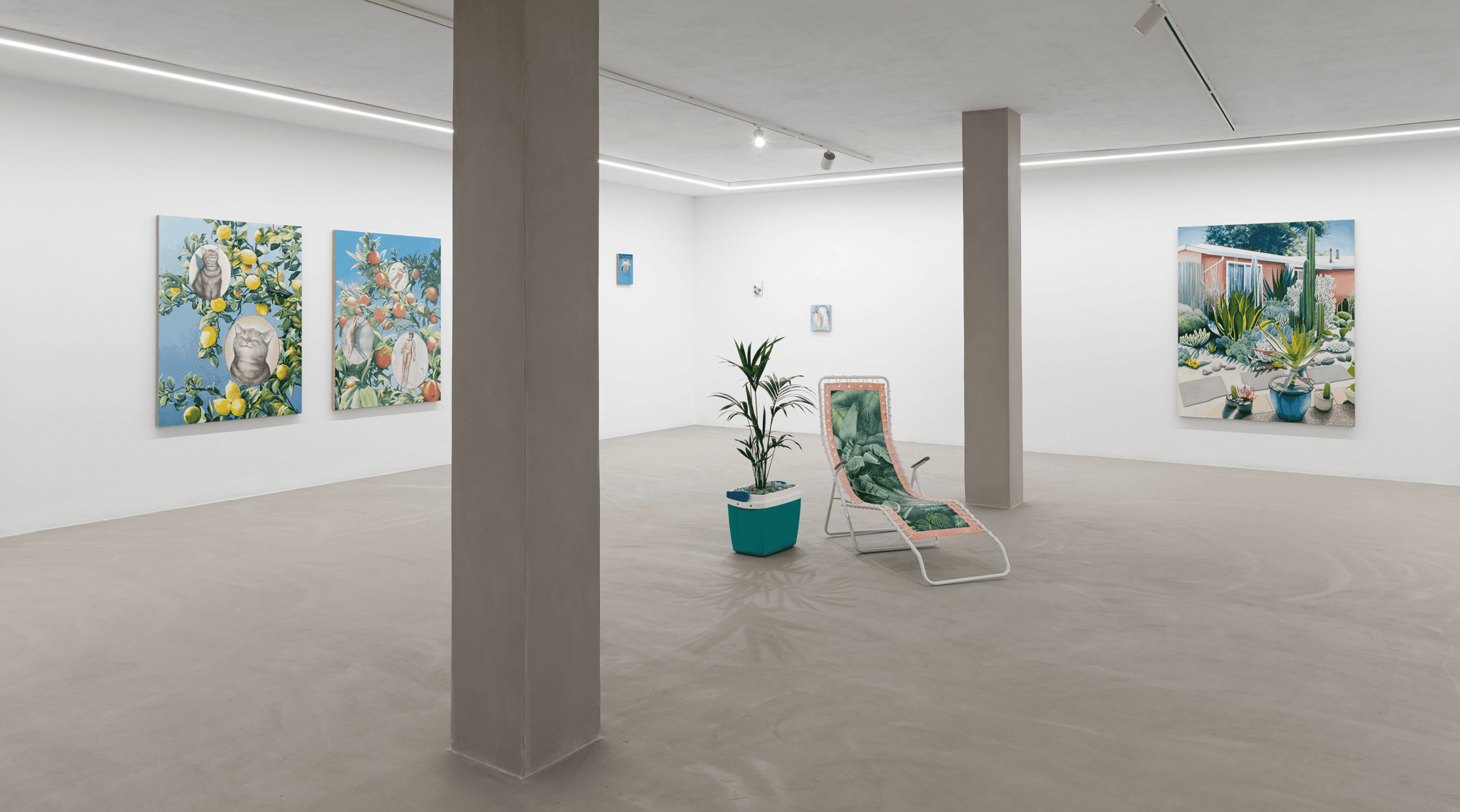
Aftersun has a residual quality, offering an enticing coda to previous bodies of work as well as a departure point. I maintain that painting for Blakeley is both an intrinsically nostalgic and de-romanticized activity, a technically accomplished and well-observed practice that both reflects the zeitgeist while seeking to dislodge the gaze from its insidious addiction to screen culture. In an era where necks are craned and brains are recalibrating to cope with an infinity of images, Blakeley’s latest paintings call for slow viewing and ‘digital detox.’[3] In Half Dozen (2026), the gloopy luxury of meticulously rendered oyster shells is served as an embodied still life. I am reminded of Rêve de Luxe (Dream of Luxury, 1944), Dorothea Tanning’s clam painting full of tiny purses, another known influence on Blakeley. If Gaston Bachelard has portrayed the imagination as an emergent creature, Blakeley has become its conchologist.[4] The world is your oyster, or so they say.
Leisure time and aspiration have long constituted Blakeley’s most productive forms of daydreaming. Here, Frederic Leighton’s Flaming June (1895) is slumbering backstage, its rippled orange silks prompting Blakeley’s resplendent palette and figurative substitutions. Lay Out and Sun In (both 2026) suggest that light is absorbed into skin as paint seeps sensuously into linen. Recurrent thought-bubbles summon the attic imaginations of our grandmothers. Dangling citrus fruits realign the imagination with the Californian or Mediterranean getaway, and, seen from below, recall majestic family trees. In doing so, the mutual oval shapes offer a witty riposte to the grid-like rigidity of our photo archives and daily doom scroll. In Country Club (2026), Blakeley elevates the Fiat panda to the status of dream vehicle – its distinctive boxy shape is a pleasant glitch within today’s carpark homogeny.
The kitschy paraphernalia of the pool-side vacation continues with Blakeley having painted directly onto sun-loungers since at least 2018. Her associative strategies and cunning use of juxtaposition transform our expectations. In Sweetie, Softly and Sojourn (all 2026), retro parasols and the perjink plumpness of inflatable, stripey rubber rings nod to one of Boty’s more abstract and ambiguous paintings, Untitled (Landscape with Rainbow, 1961). As cheap thrills and guilty pleasures, these temporary props are once again elevated to the gleam of the art historical still-life. Escapism for Blakeley is a political act or form of critique, with whimsy an ever more alluring form of subversion.
Text by Catriona McAra
[1]Derek Horton, Lydia Blakeley: £eisure (Leeds: Leeds Arts University, 2017), 2. See also, Sue Tate, Pauline Boty: Pop Artist and Woman (Wolverhampton: Wolverhampton Art Gallery, 2013), 7.
[2]Ali Smith, Autumn (London: Penguin, [2016] 2017), 81.
[3]Lydia Blakeley cited in Tuesday Gutierrez, ‘Pop, Paint and Social Media,’ Mōmardi (25 June 2025): https://momardi.com/blog/lydia-blakeley-lens-on-modern-culture/ Accessed 17 May 2026.
[4]Gaston Bachelard, The Poetics of Space (London: Penguin Books, [1958] 2014), 126.


Works
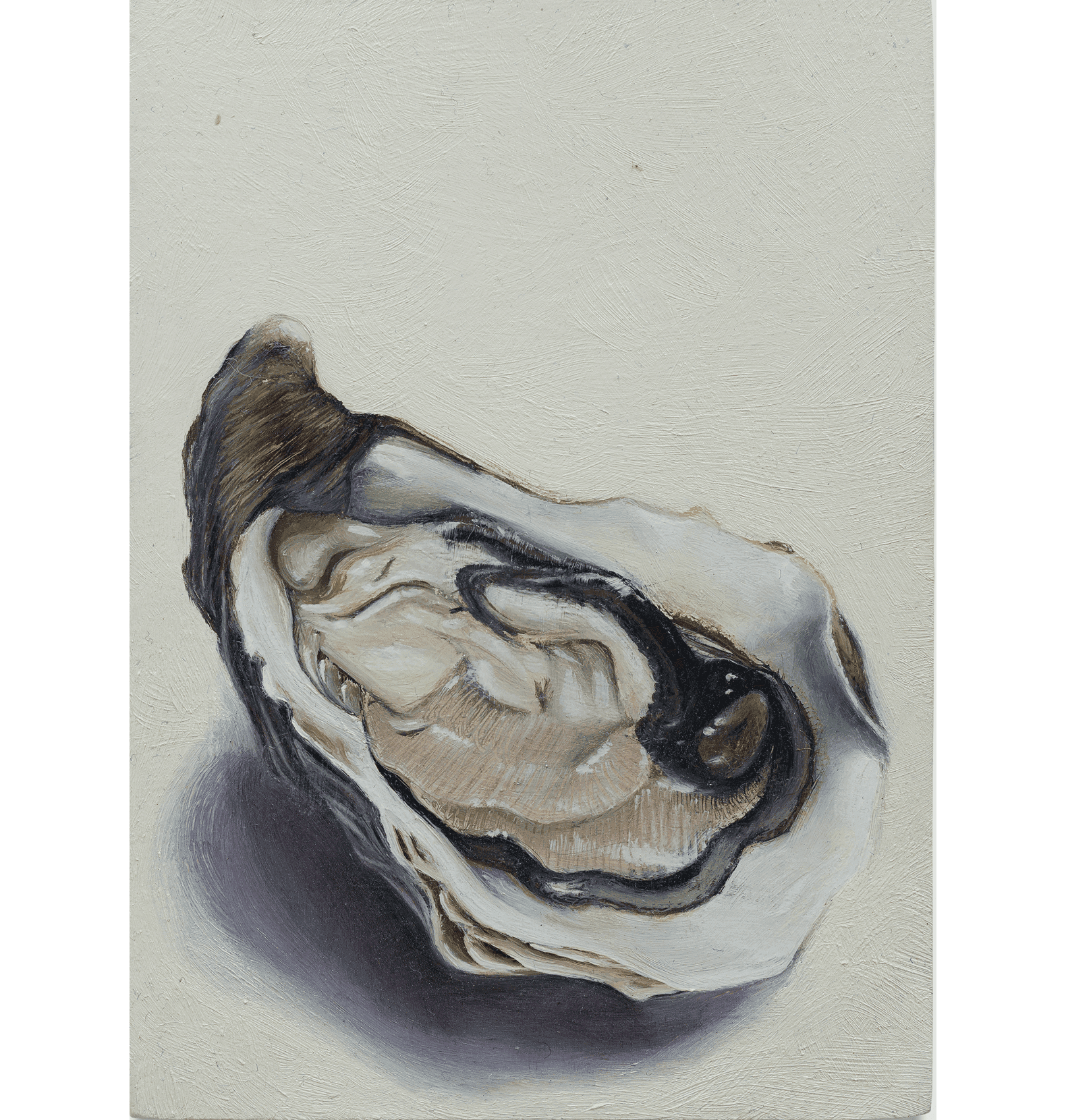
Half Dozen
Oil on wooden panel
18 x 13 cm
Half Dozen
Lydia Blakeley
Oil on wooden panel
18 x 13 cm
Enquire
Enquire
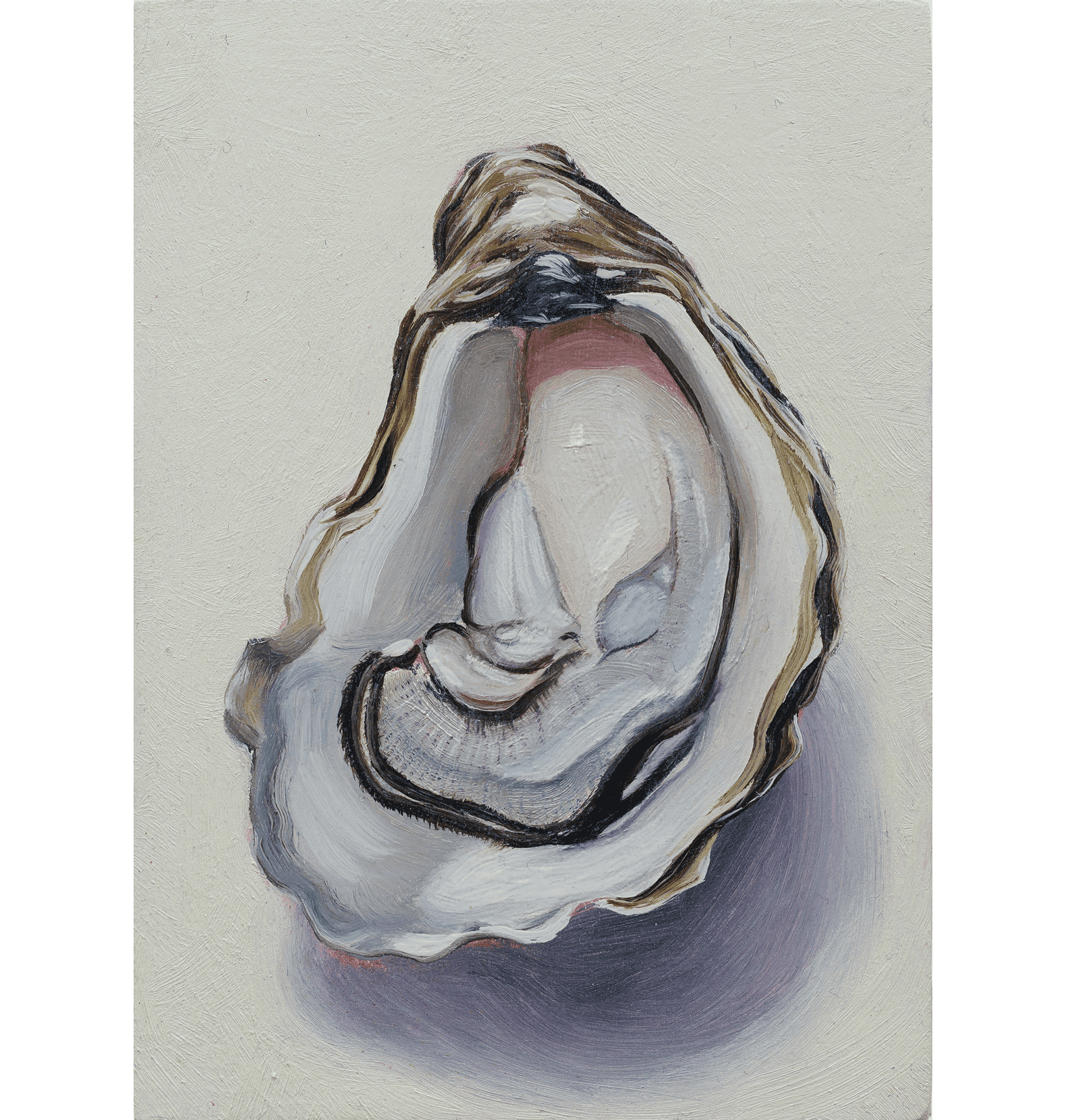
Half Dozen
Oil on wooden panel
18 x 13 cm
Half Dozen
Lydia Blakeley
Oil on wooden panel
18 x 13 cm
Enquire
Enquire

Sun In
Oil on linen
150 x 110 cm
Sun In
Lydia Blakeley
Oil on linen
150 x 110 cm
Enquire
Enquire
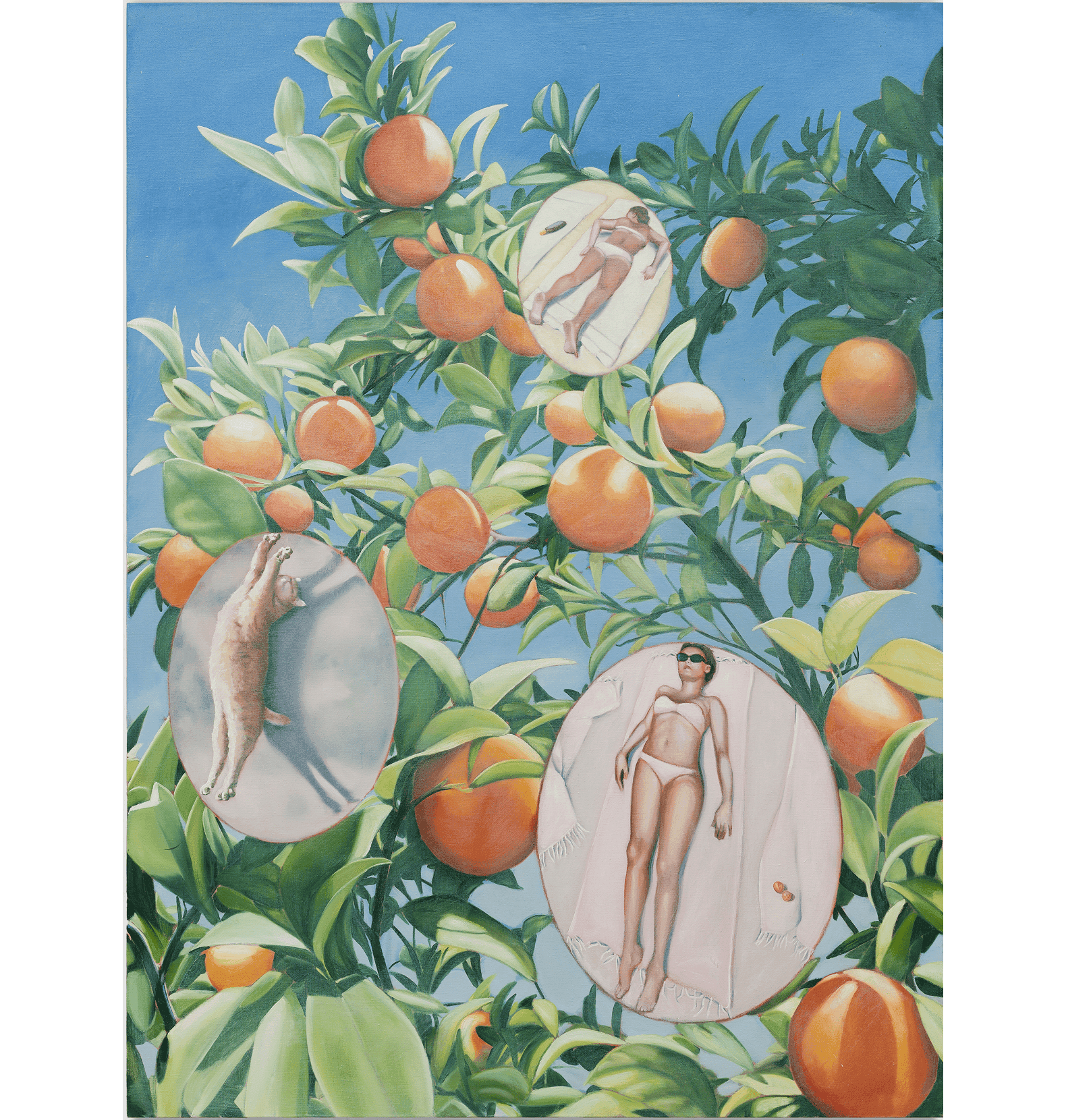
Lay Out
Oil on linen
150 x 110 cm
Lay Out
Lydia Blakeley
Oil on linen
150 x 110 cm
Enquire
Enquire
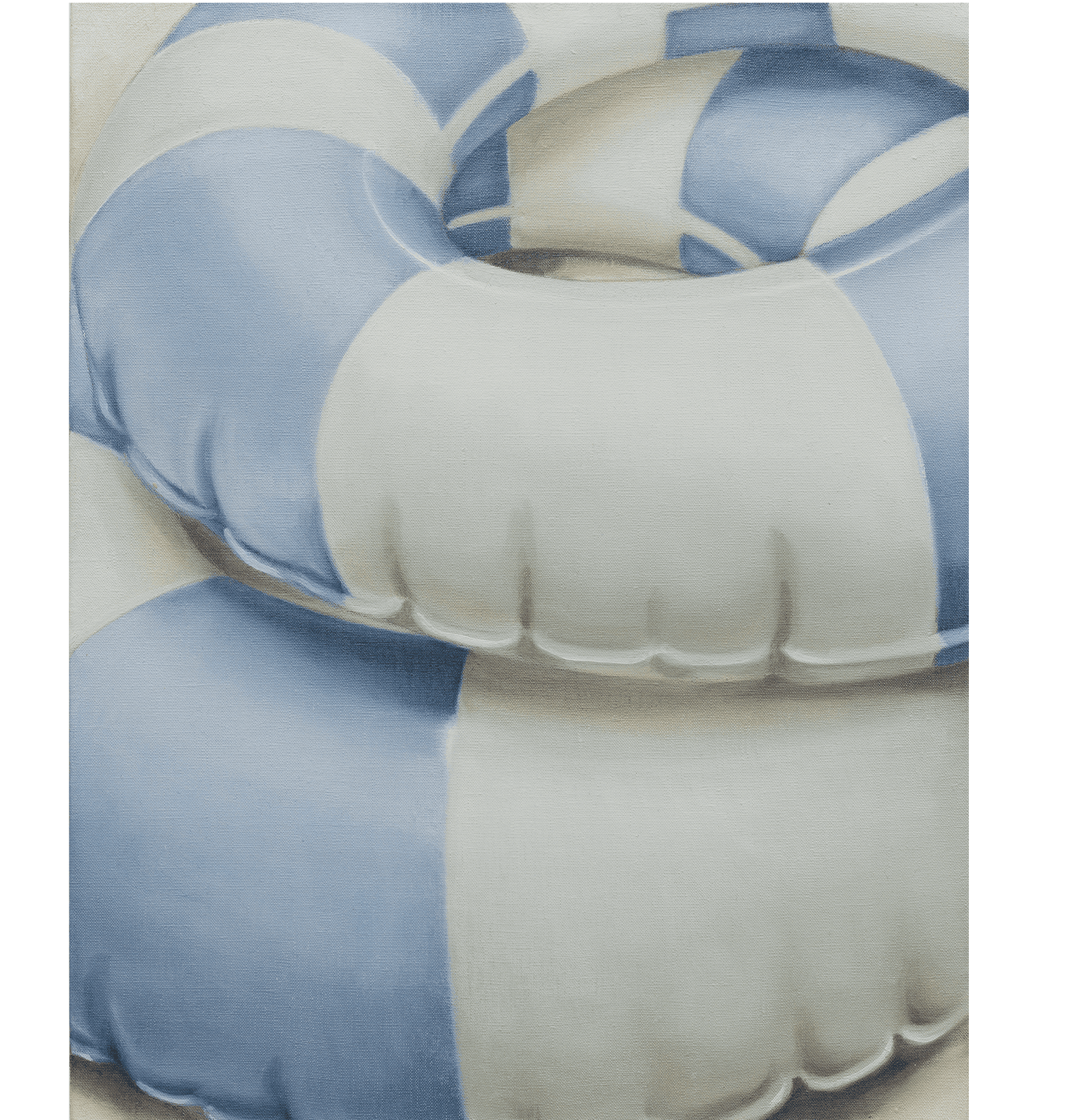
Softly
Oil and pencil on linen
50 x 40 cm
Softly
Lydia Blakeley
Oil and pencil on linen
50 x 40 cm
Enquire
Enquire
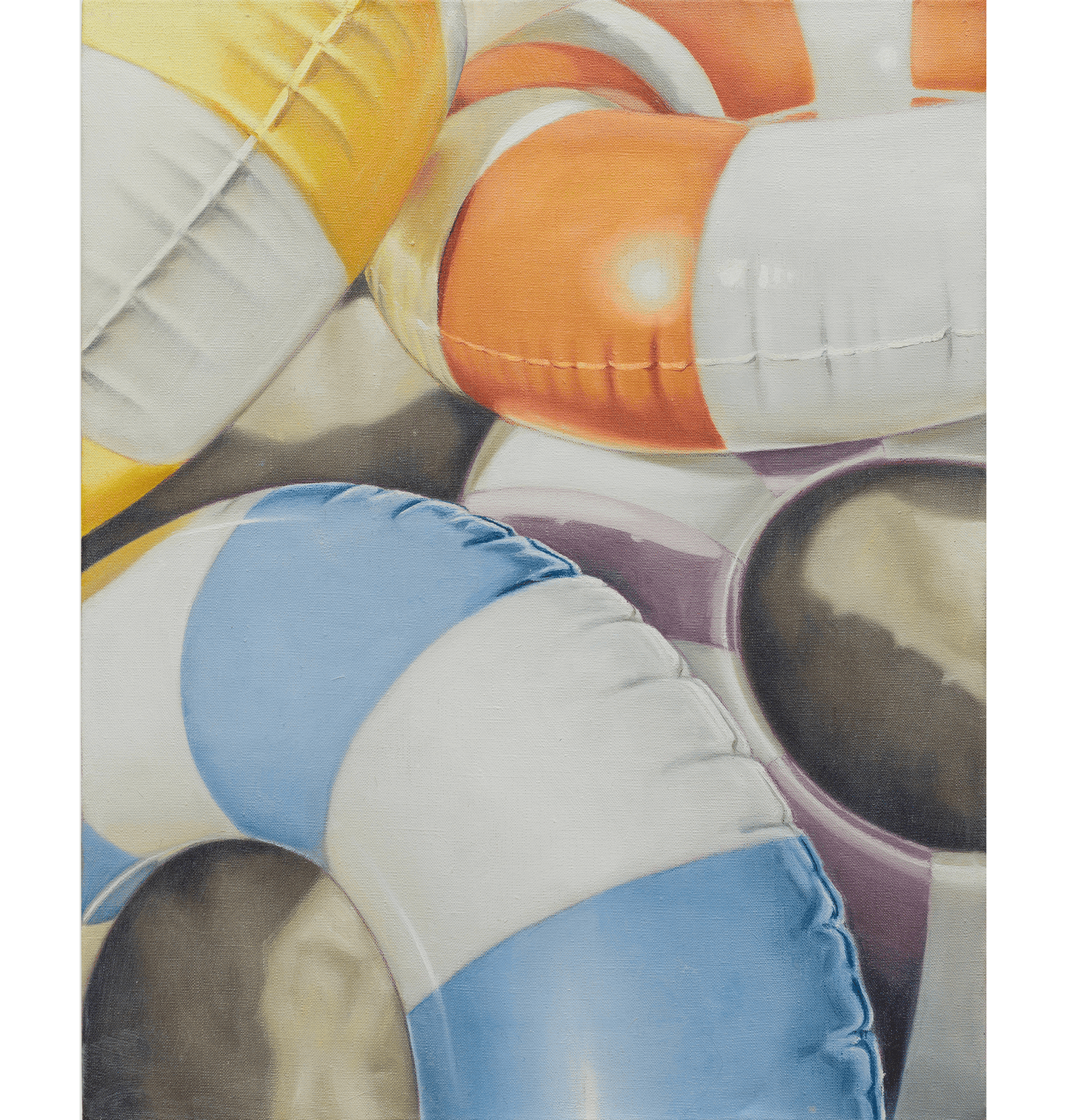
Sweetie
Oil and pencil on linen
50 x 40 cm
Sweetie
Lydia Blakeley
Oil and pencil on linen
50 x 40 cm
Enquire
Enquire
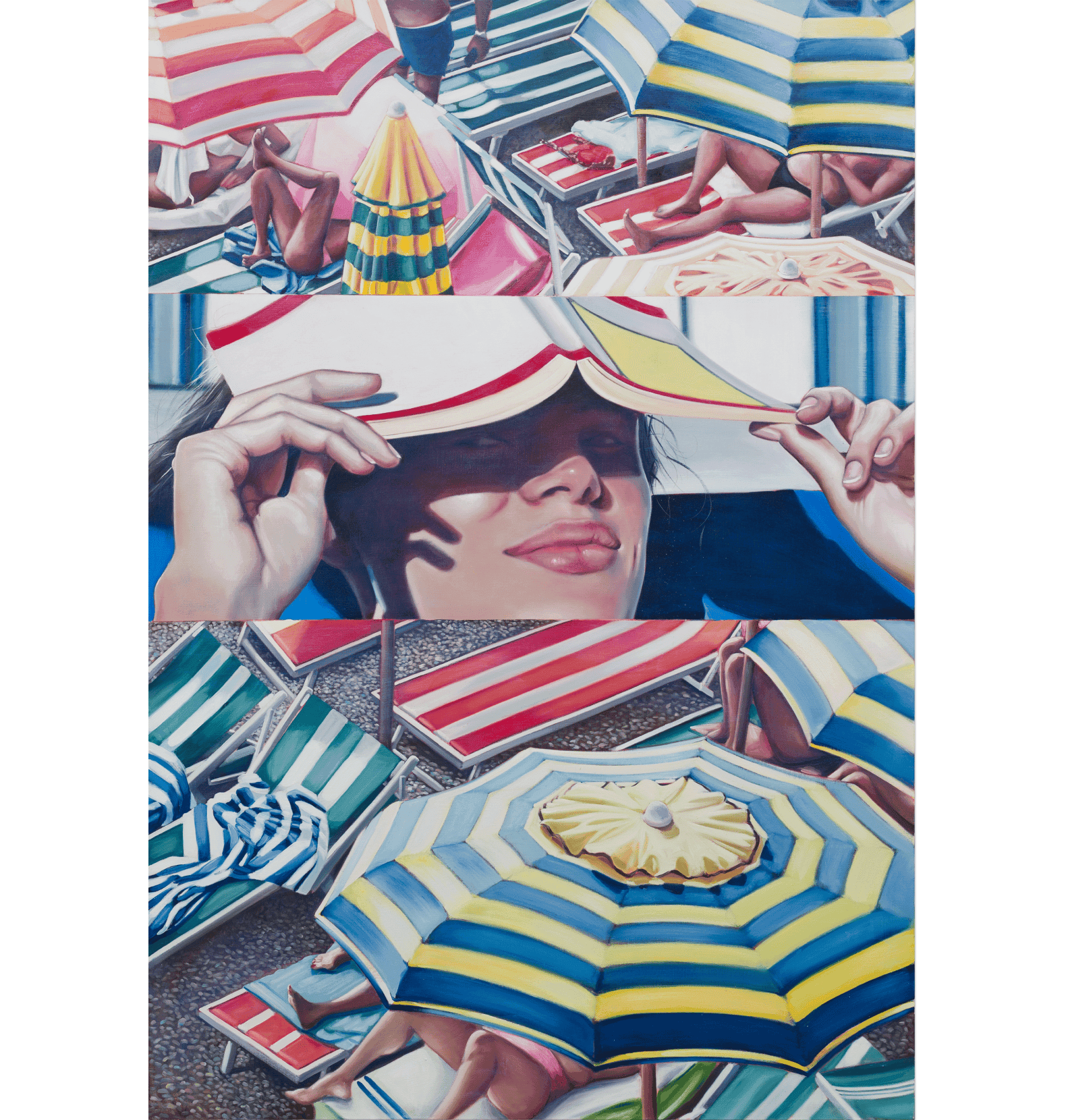
Sojourn
Oil and oencil on linen
190 x 130 cm
Sojourn
Lydia Blakeley
Oil and oencil on linen
190 x 130 cm
Enquire
Enquire
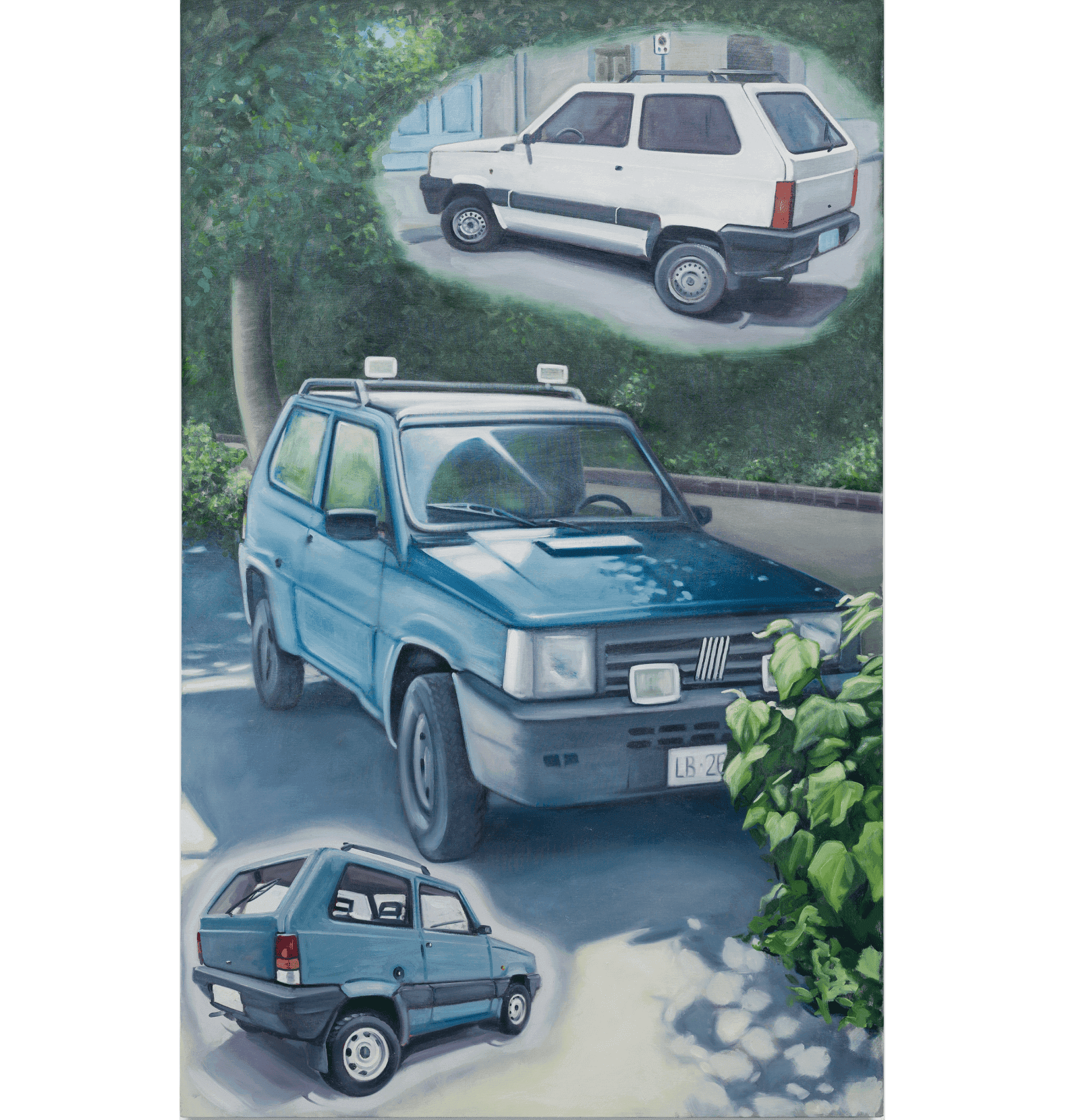
Country Club
Oil and pencil on linen
160 x 100 cm
Country Club
Lydia Blakeley
Oil and pencil on linen
160 x 100 cm
Enquire
Enquire
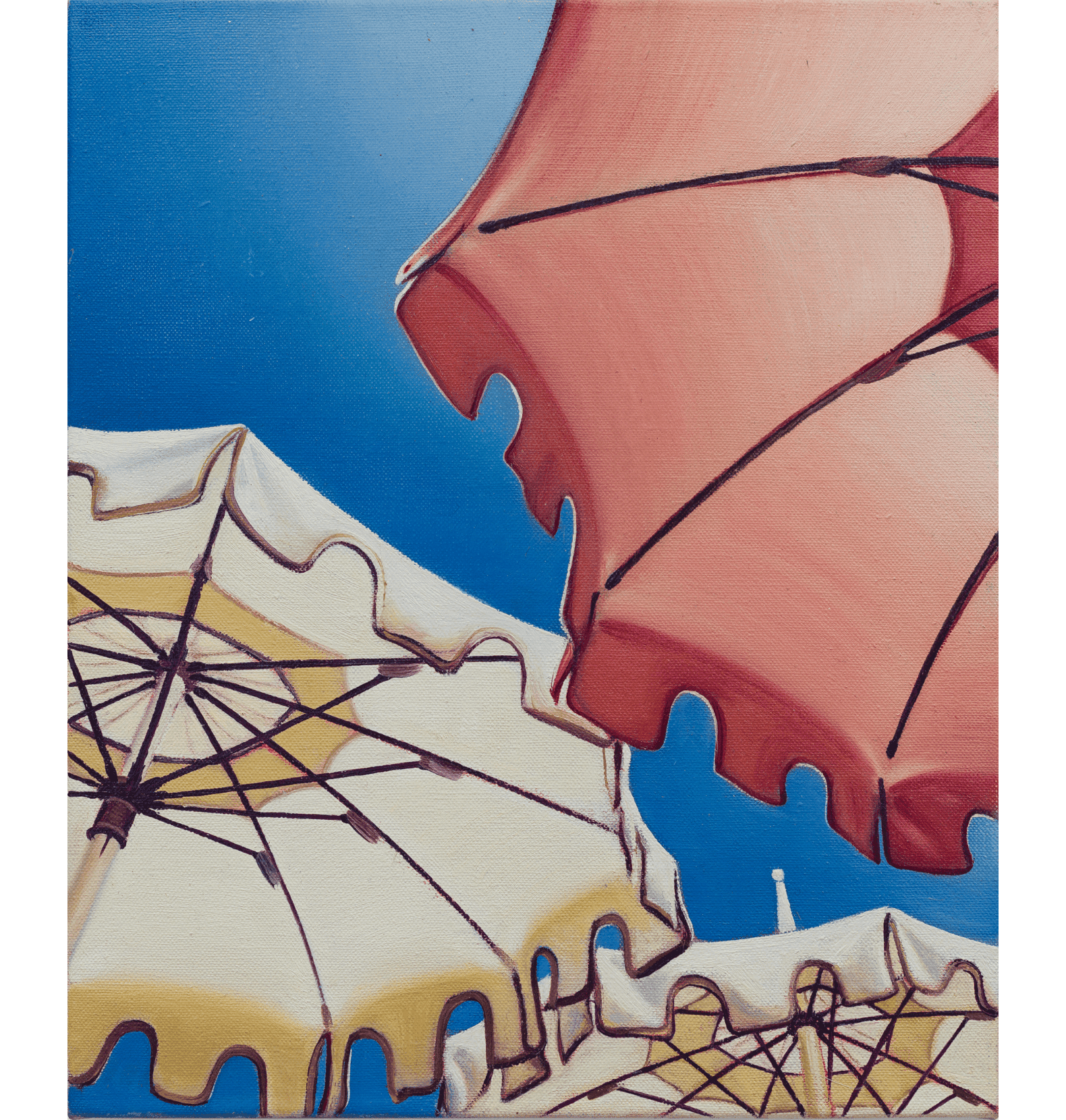
Ecipse Season
Oil on linen
30 x 25 cm
Ecipse Season
Lydia Blakeley
Oil on linen
30 x 25 cm
Enquire
Enquire
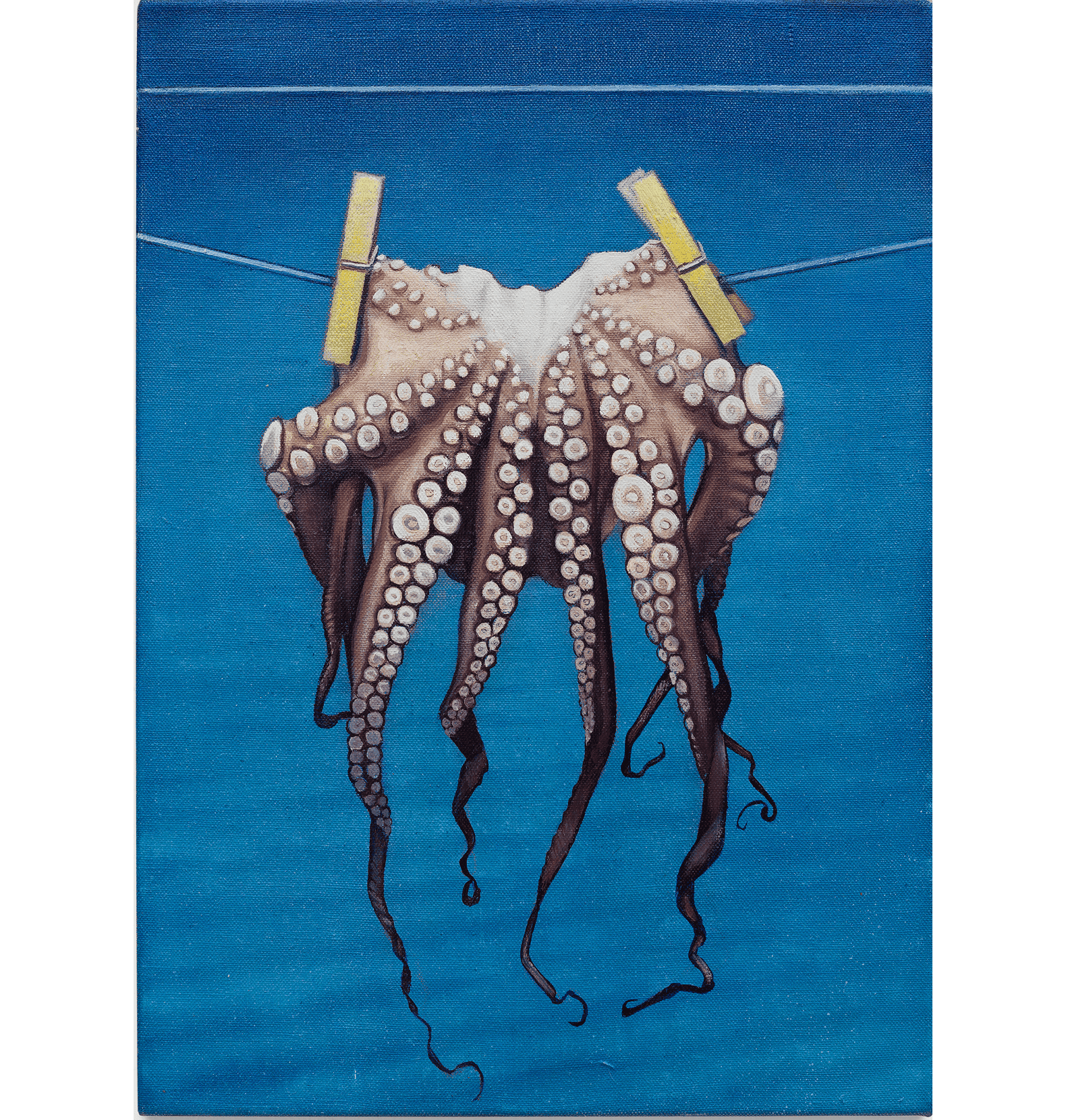
Dry Heat
Oil on linen
30 x 25 cm
Dry Heat
Lydia Blakeley
Oil on linen
30 x 25 cm
Enquire
Enquire

Bountiful/Bungalow
Oil, pencil and pastel on linen
180 x 140 cm
Bountiful/Bungalow
Lydia Blakeley
Oil, pencil and pastel on linen
180 x 140 cm
Enquire
Enquire
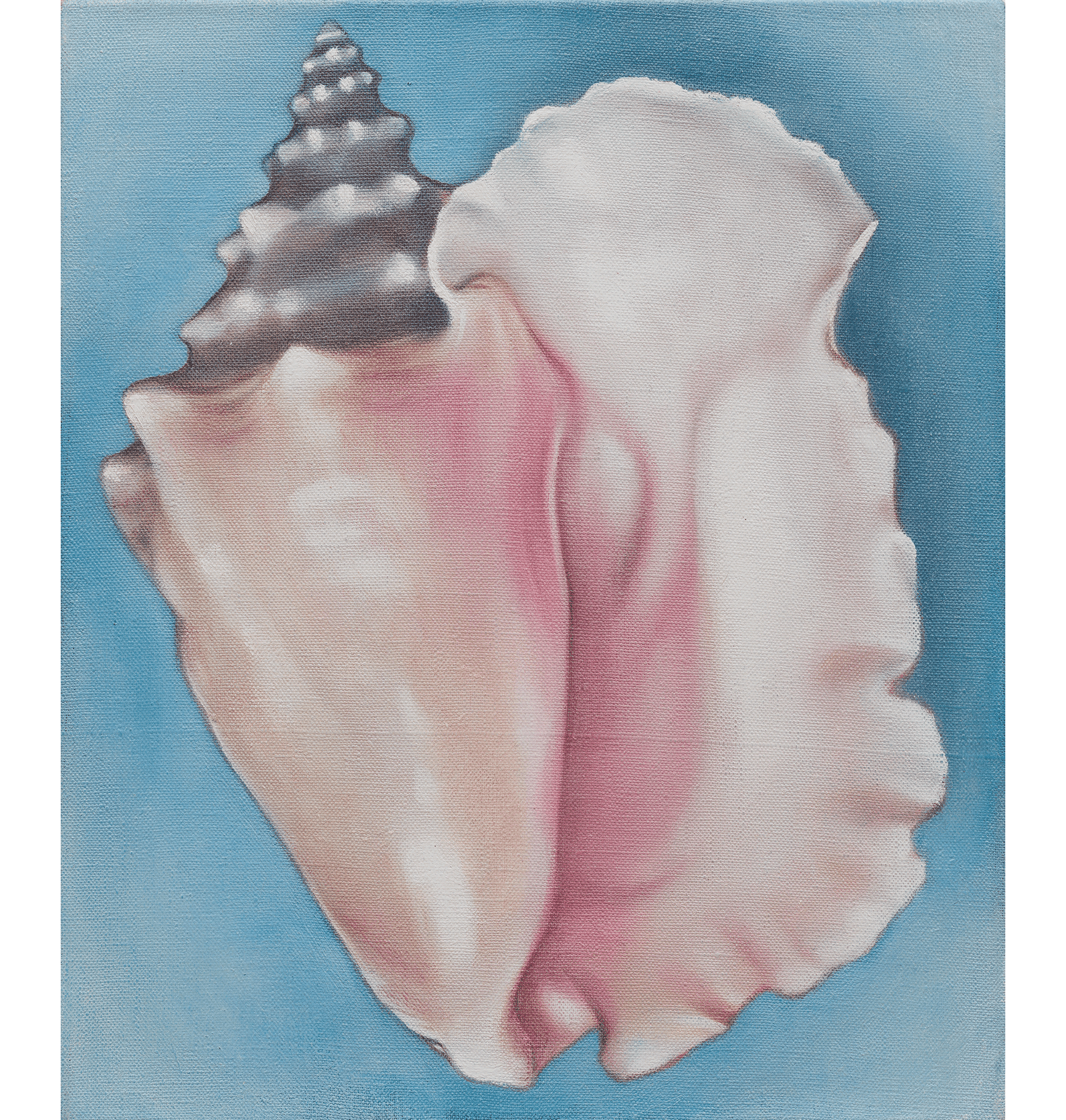
Conchology
Oil and pencil on linen
30 x 25 cm
Conchology
Lydia Blakeley
Oil and pencil on linen
30 x 25 cm