Ankarudden
Matthias van Arkel
06.02.26 — 06.03.26
With: Matthias van Arkel.
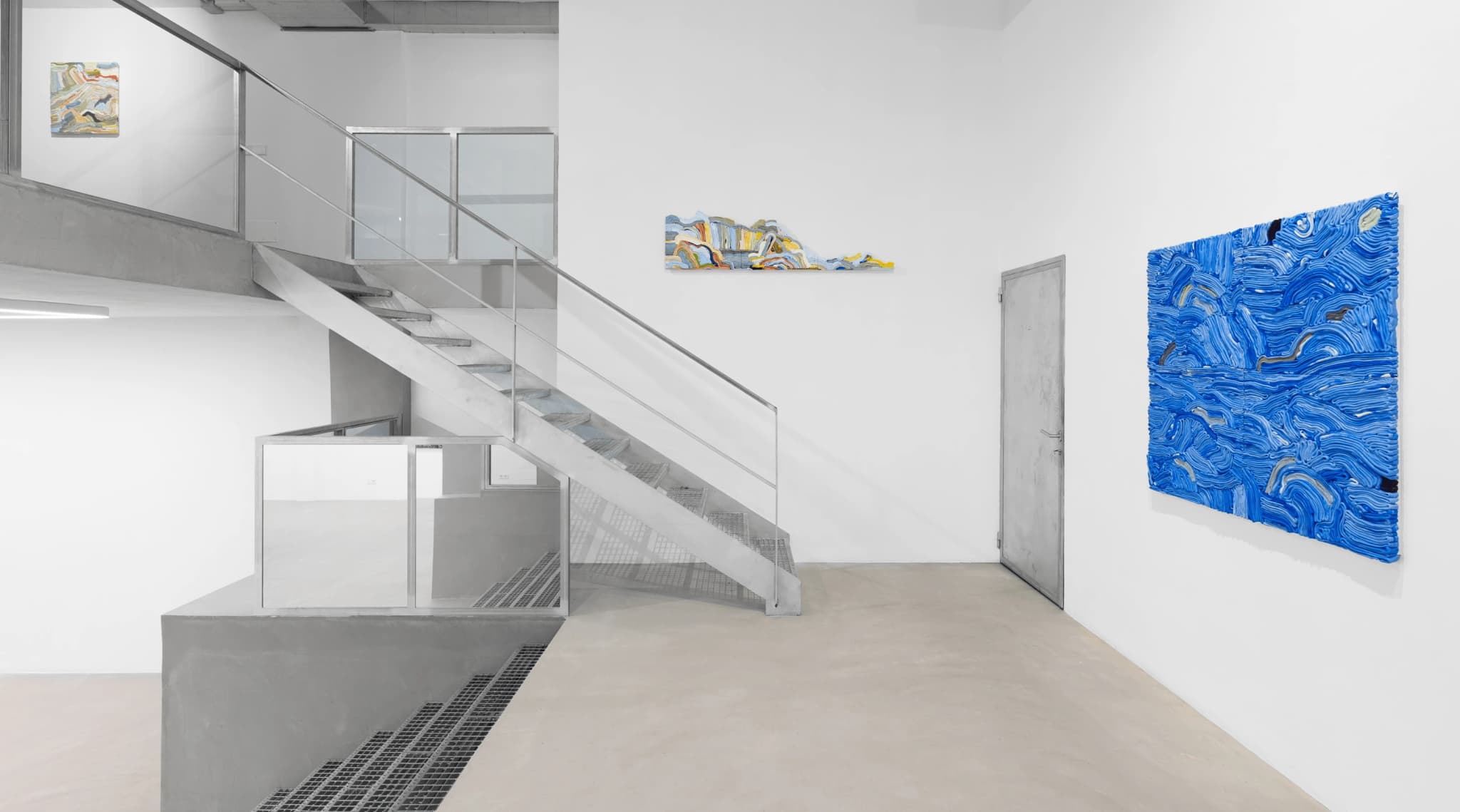
Ankarudden is not presented as a traditional landscape, but as a working condition exposed to nature.
The exhibition takes its name from Ankarudden, in the Swedish archipelago, where van Arkel has recently established a new studio. The weather, light, and vegetation of the archipelago have strongly influenced his work.
Van Arkel’s process combines careful preparation with active decision-making. Pigmented silicone is mixed, spread, and shaped, producing elements—using a roller mill—that function as physical brushstrokes. These elements are then selected, cut, moved, and assembled. Each step demands attention and balance, and every painting carries the memory of its own construction.
Silicone became central to van Arkel’s practice through experimentation and experience, following his early training as an oil painter. The material allows a more expansive and direct approach, bridging painting and sculpture. Its transparency, strength, and durability support a process of accumulation and adjustment while maintaining a pronounced sense of surface. The stability of silicone ensures that the works endure over time, asserting themselves as solid, lasting objects.
Color plays a key role in van Arkel’s practice. The palette is wide and layered, enabling multiple tones to coexist. Color generates tension, rhythm, and movement, encouraging close attention. As forms accumulate, expand, and shift, associations with landscape emerge, creating spaces that remain open and changeable. These impressions arise both from the artist’s working process and the viewer’s perception.
Physical engagement is central to the experience of the work. The surfaces invite closeness, encouraging the viewer to engage through sight and touch, forming a personal response. Meaning emerges through this encounter. The exhibition presents painting as immediate, physical, and visual.
All works, except one, were created specifically for this exhibition.


Works
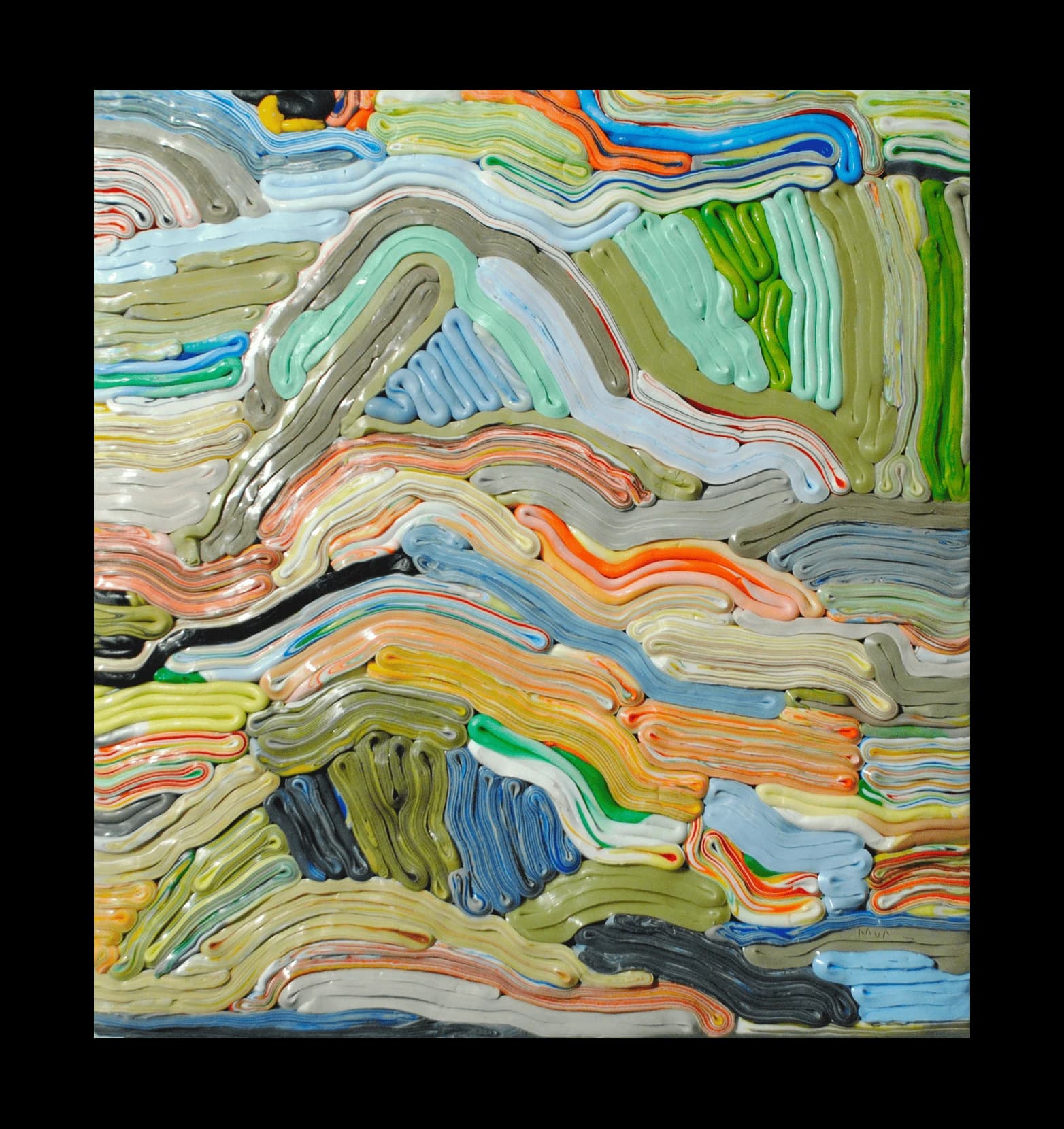
Ankarudden S #3
Dyed platinum silicone
58 x 54 cm
Ankarudden S #3
Matthias van Arkel
Dyed platinum silicone
58 x 54 cm
Enquire
Enquire
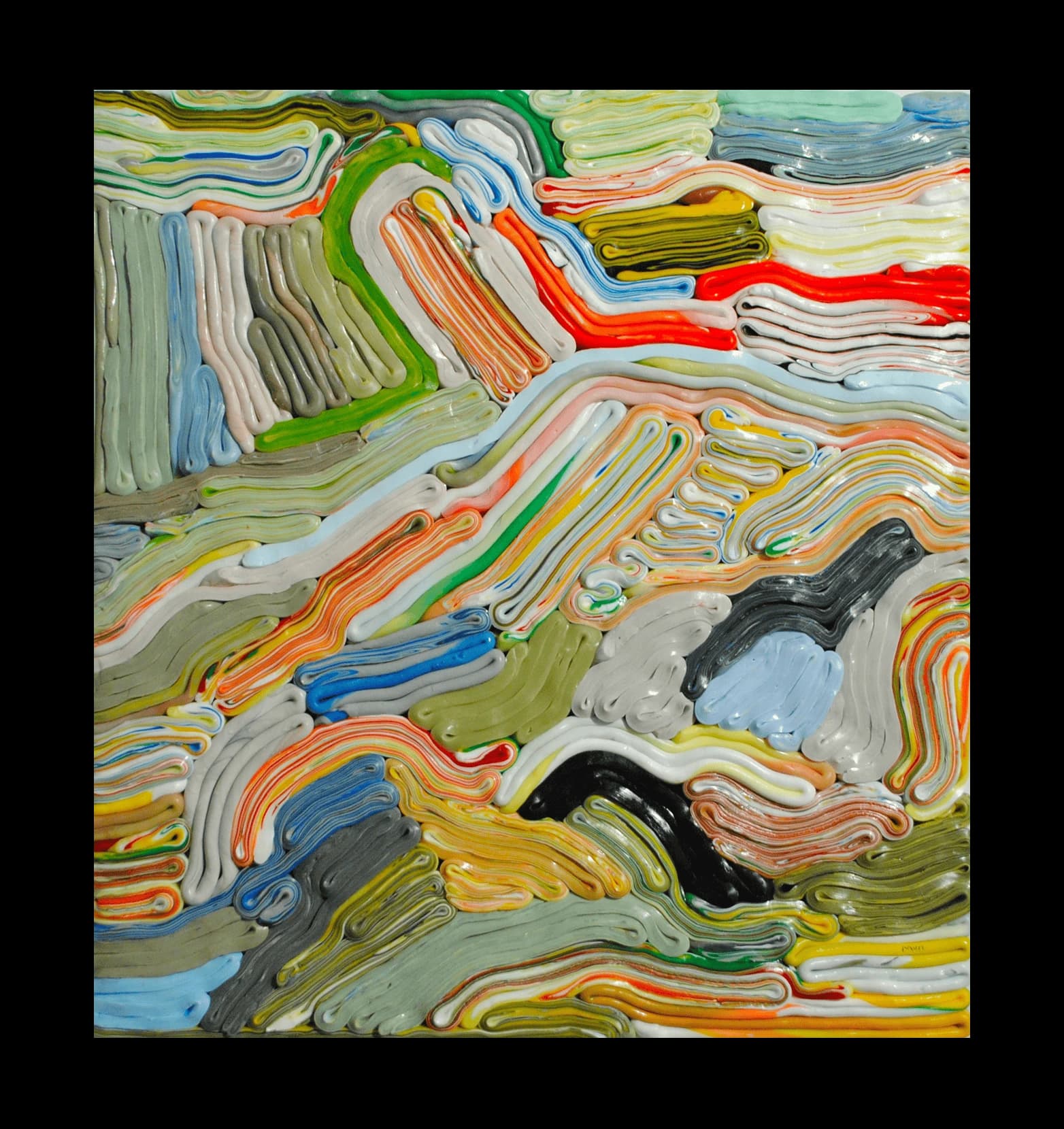
Ankarudden S #2
Dyed platinum silicone
58 x 54 cm
Ankarudden S #2
Matthias van Arkel
Dyed platinum silicone
58 x 54 cm
Enquire
Enquire
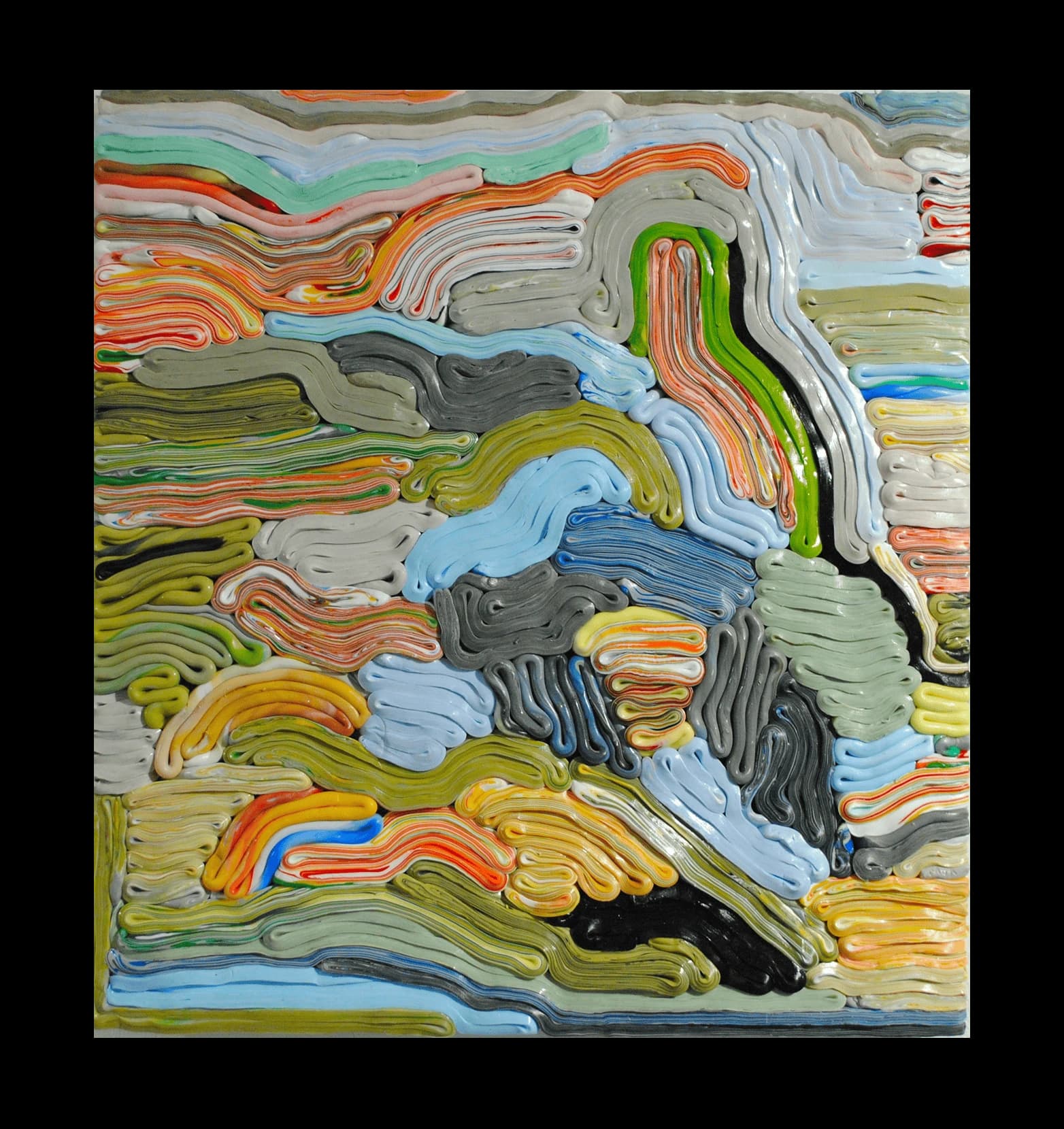
Ankarudden S #1
Dyed platinum silicone
58 x 54 cm
Ankarudden S #1
Matthias van Arkel
Dyed platinum silicone
58 x 54 cm
Enquire
Enquire
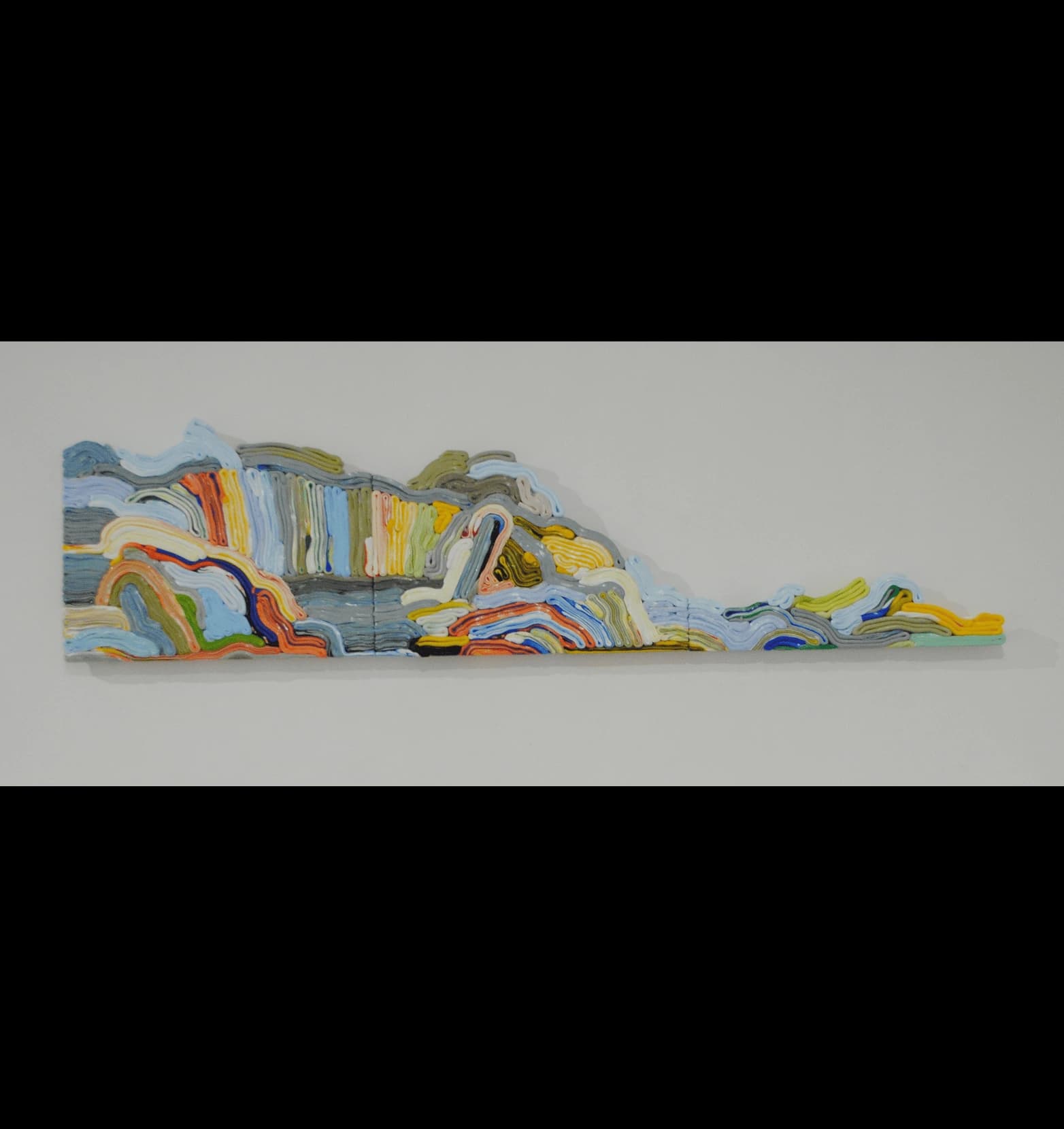
Ankarudden S #4
Dyed platinum silicone
58 x 54 cm
Ankarudden S #4
Matthias van Arkel
Dyed platinum silicone
58 x 54 cm
Enquire
Enquire
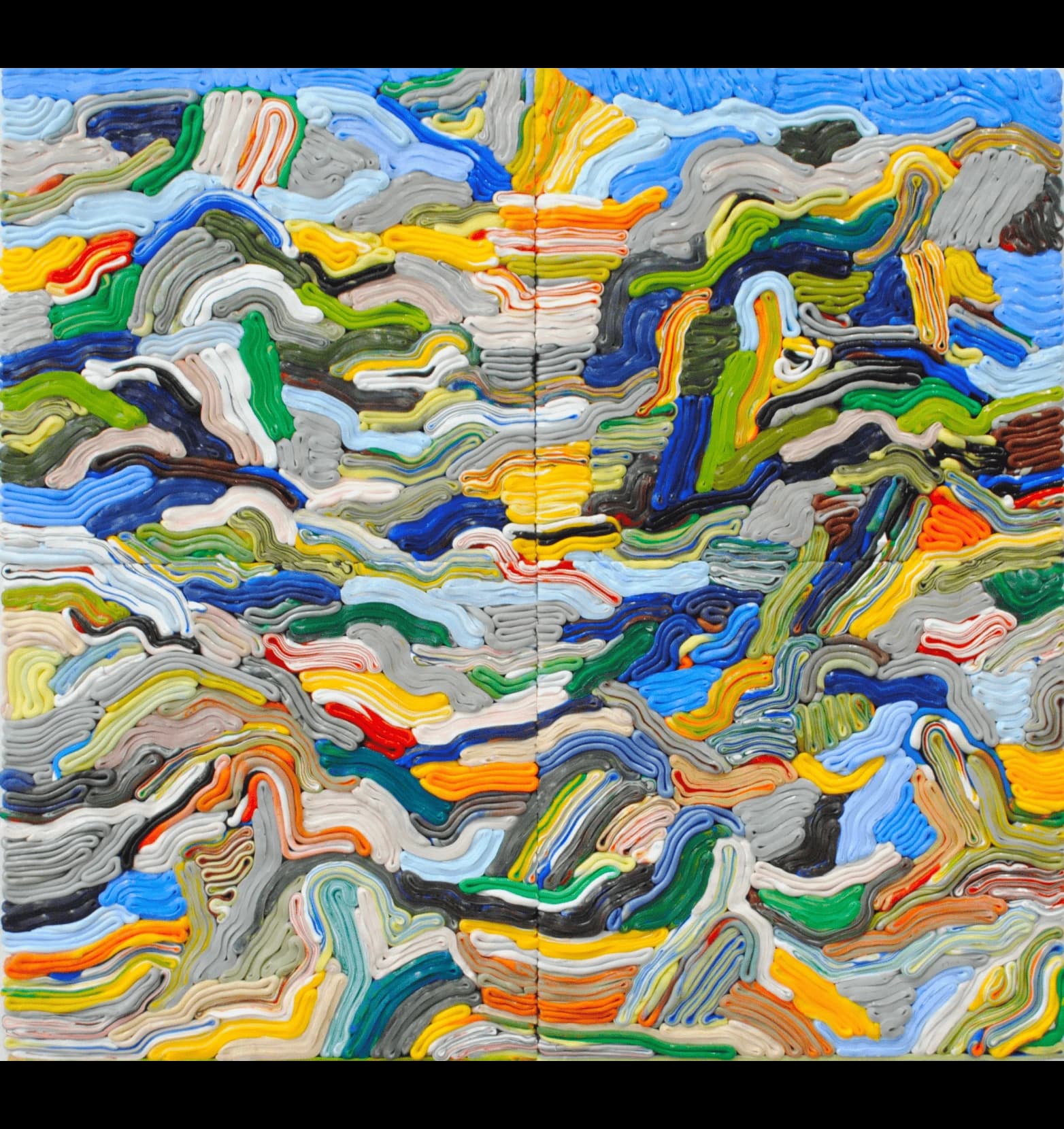
Ankarudden #5
Dyed platinum silicone
108 x 116 cm
Ankarudden #5
Matthias van Arkel
Dyed platinum silicone
108 x 116 cm
Enquire
Enquire
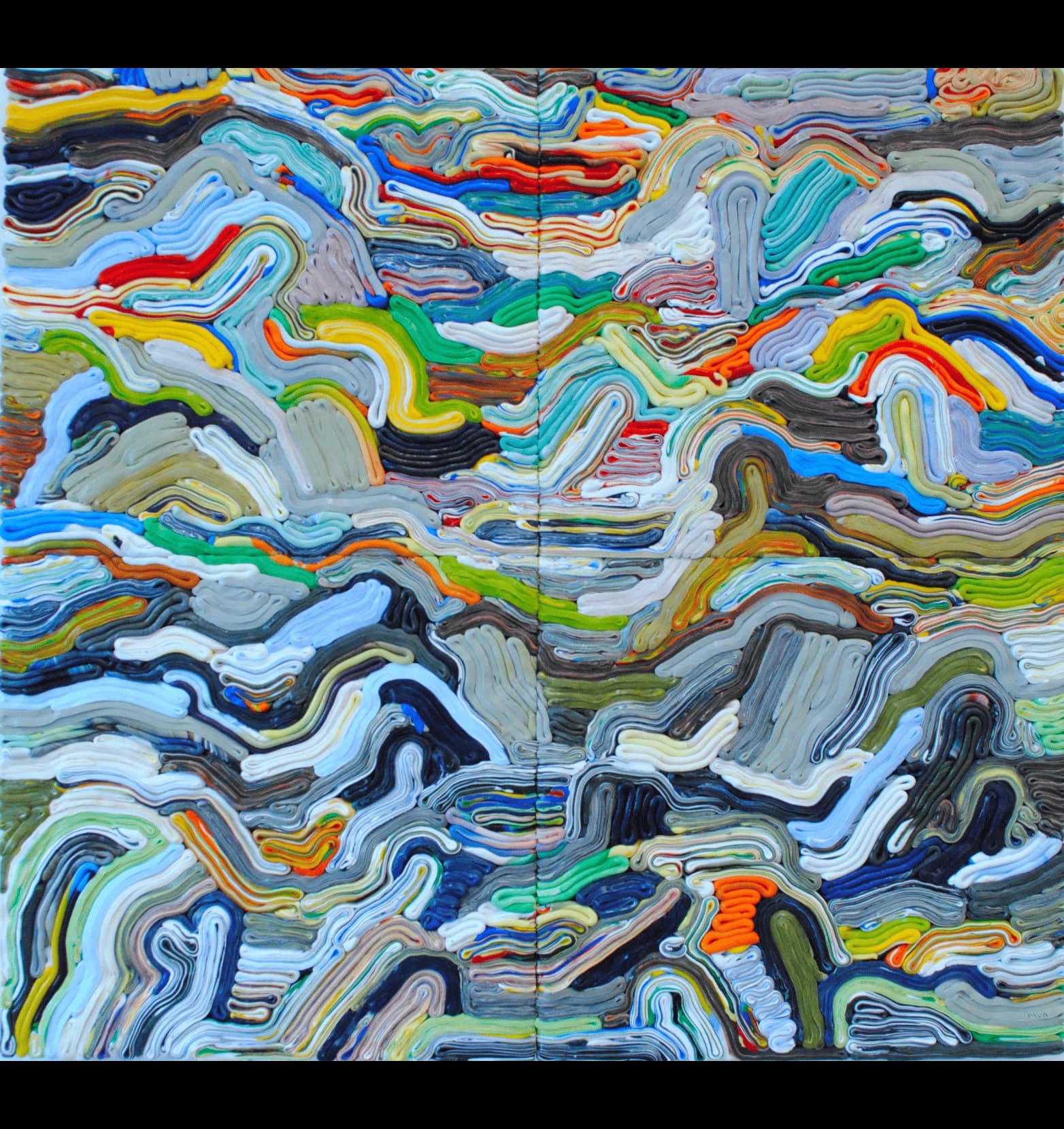
Ankarudden #4
Dyed platinum silicone
108 x 116 cm
Ankarudden #4
Matthias van Arkel
Dyed platinum silicone
108 x 116 cm
Enquire
Enquire
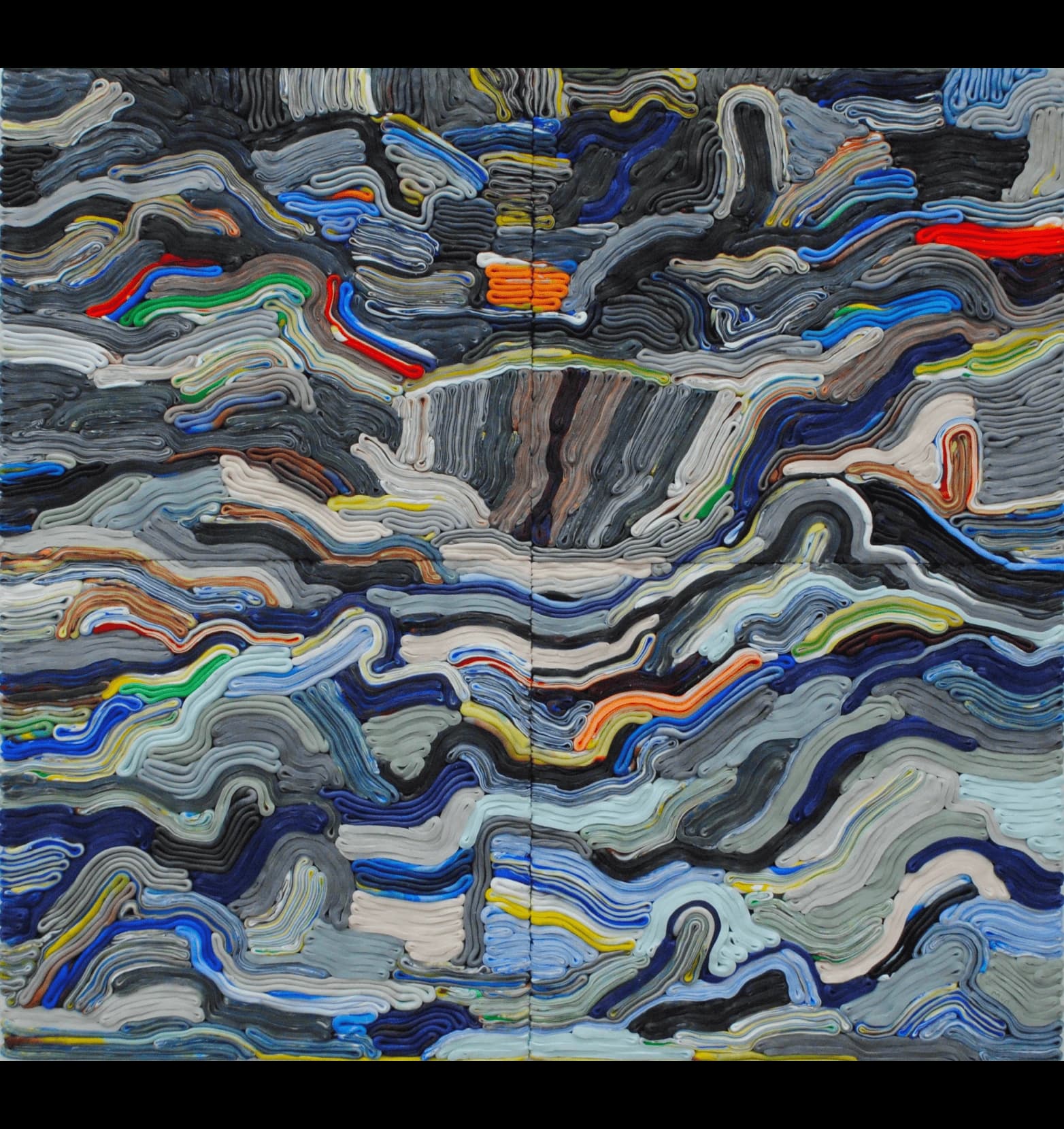
Ankarudden #3
Dyed platinum silicone
108 x 116 cm
Ankarudden #3
Matthias van Arkel
Dyed platinum silicone
108 x 116 cm
Enquire
Enquire
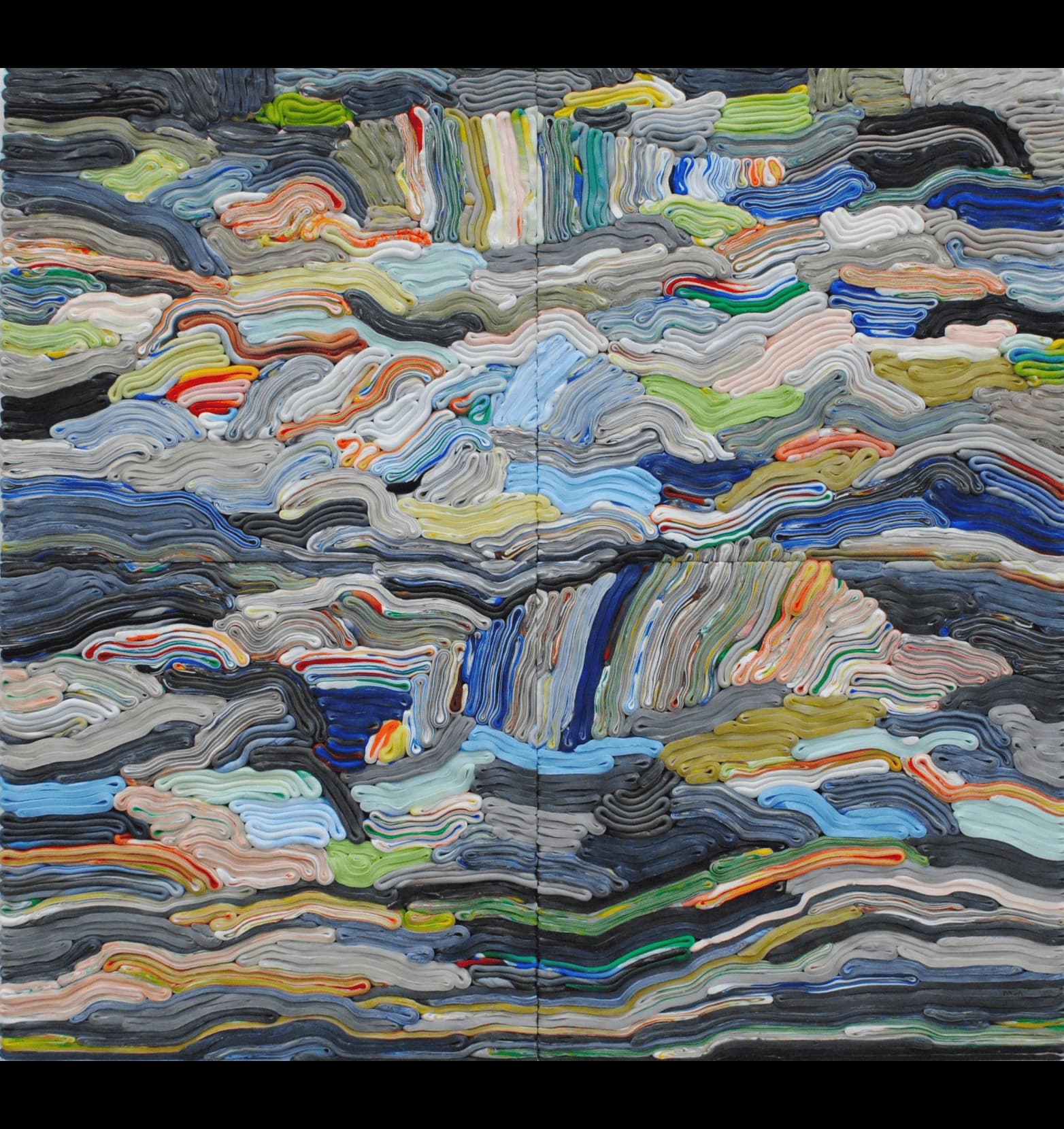
Ankarudden #2
Dyed platinum silicone
108 x 116 cm
Ankarudden #2
Matthias van Arkel
Dyed platinum silicone
108 x 116 cm
Enquire
Enquire
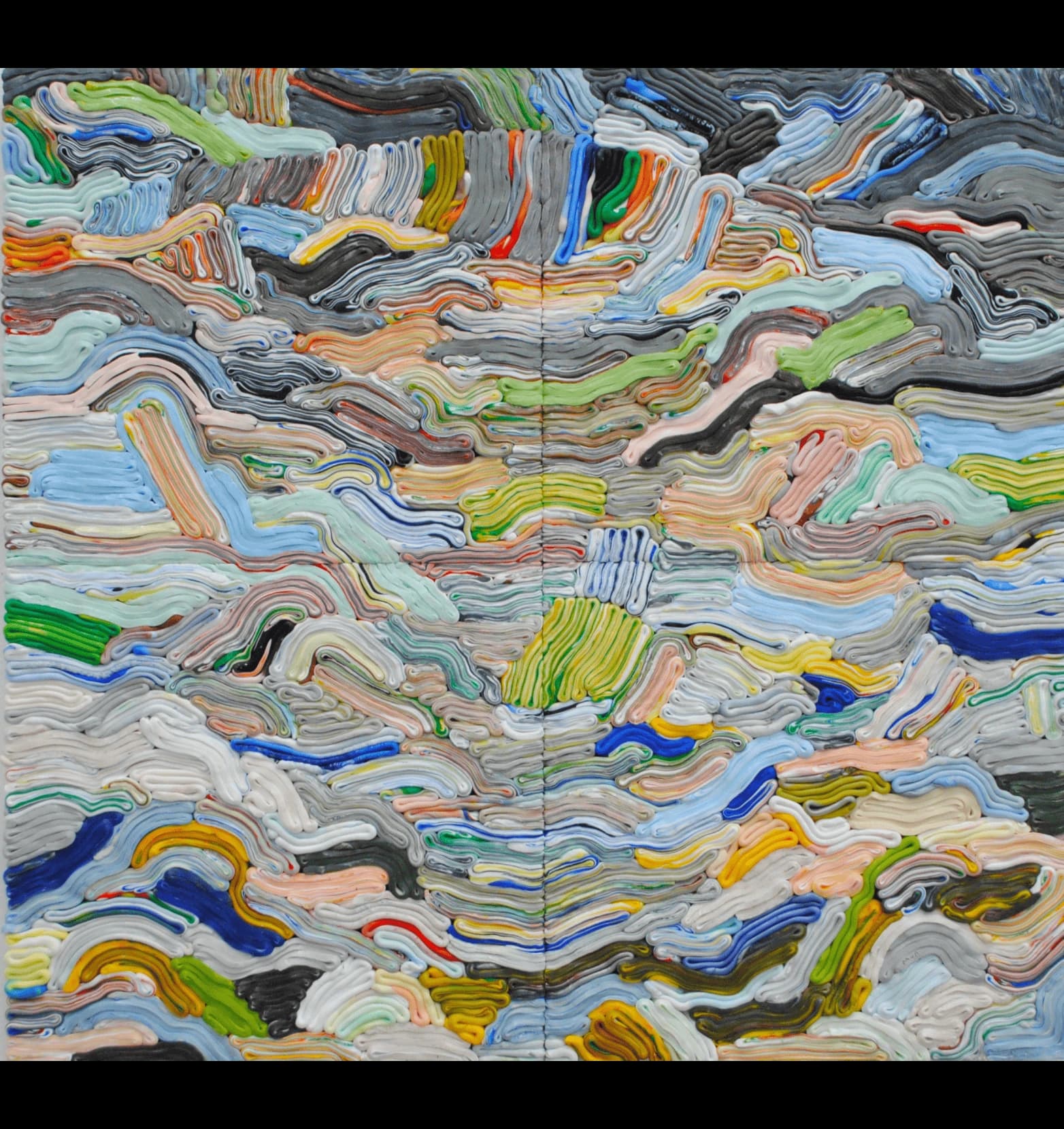
Ankarudden #1
Dyed platinum silicone
108 x 116 cm
Ankarudden #1
Matthias van Arkel
Dyed platinum silicone
108 x 116 cm
Enquire
Enquire
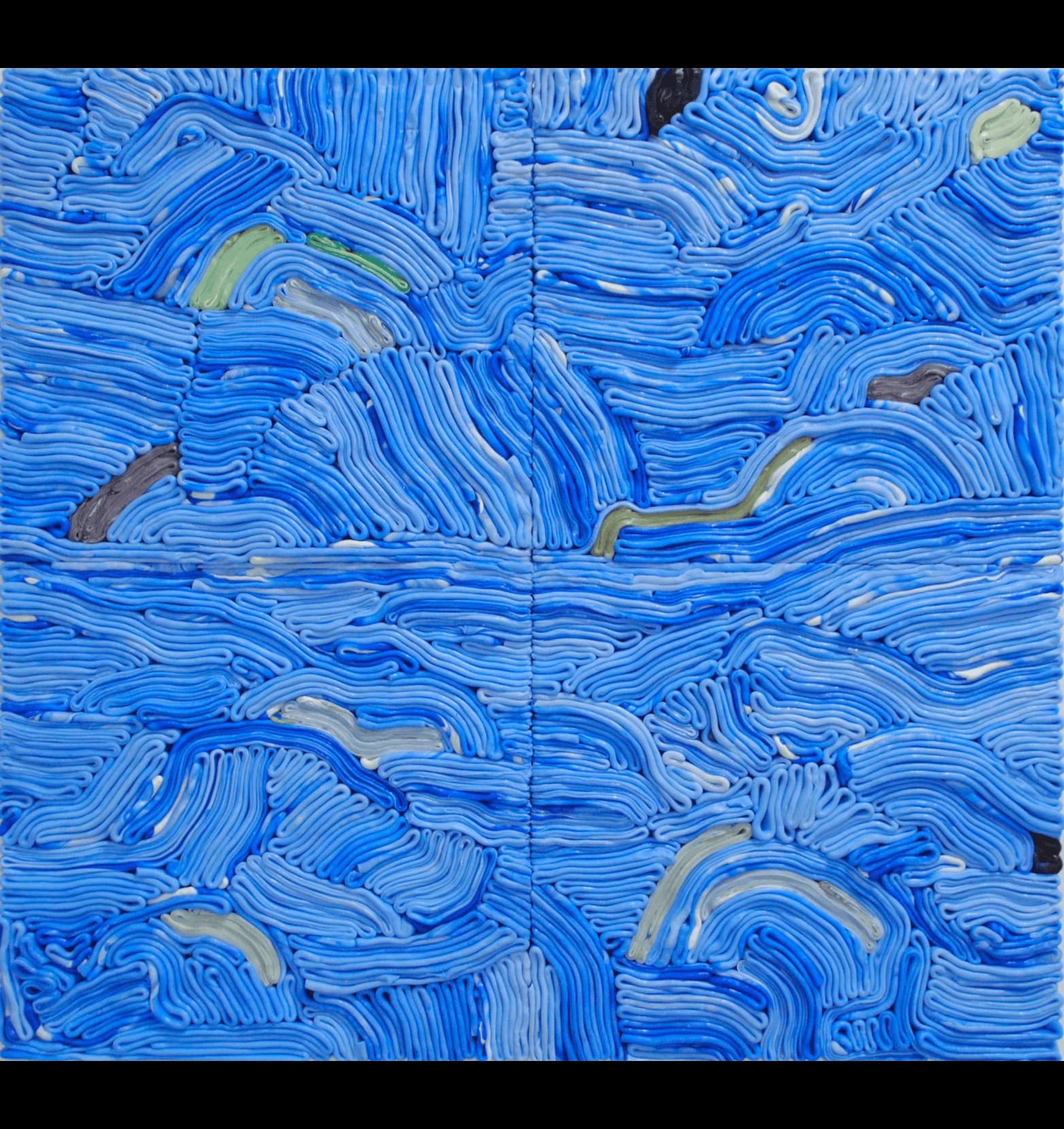
Stripe Painting C
Dyed platinum silicone
108 x 116 cm
Stripe Painting C
Matthias van Arkel
Dyed platinum silicone
108 x 116 cm