The Smoke That Thunders
Max Boyla
21.09.24 — 29.11.24
With: Max Boyla.
Coined by the local Lozi peoples of the region, mosi-oa-tunya, which translates to the smoke that thunders, refers to the native name of the renowned western-coined waterfall Victoria Falls, that is situated midway through the Zambezi River, bordering Zambia and Zimbabwe. Its local name refers to the world’s largest ever-flowing curtain of water, where boundless congregating clouds of mist are described to rise in mystical splendour, spreading across the region and its peoples whenever the river is in flood. However, not unlike much of the natural world, Mosi-oa-Tunya faces present environmental catastrophe caused by global warming. As such, the title of the exhibition sets out to introduce the overarching themes of the exhibition: a critique of western appropriation, dominance and neo-colonialism on the one hand, and the uncertainty as well as estrangement we feel and face consequently. The works on display seek to address the eerie and multifaceted ways in which Western domination, control and power creeps into every crevice of life, leaving us to question our realities.
The Smoke That Thunders draws inspiration from genres including film, documentary, and literature, to convey our uncertain and estranged moment in time, that is consequential of unethical, self-serving consumer capitalism, corporate culture as well as neo-colonial projects run by global and multinational corporations, that spawn global ecological and environmental catastrophes through continuous deception and disinformation. Whether referencing the duplicitous multinational oil company Shell, its widespread exploitation of natural resources and its causal impact on affected regions and its indigenous peoples, or questioning immoral and unethical branding strategies concerning the infamous Marlboro Man campaign, Boyla dives into the deceptive two-faced nature of global corporations and their campaigns. The combined outcome manifests itself as an alternative experience to reality: an un-worlding in which we renegotiate our manufactured perceptions of reality.
Upon entering, large abstract canvases consisting of artificial materials such as synthetic satin made in part of petroleum, dyes, inks and bleach, hint towards underlying themes to come. Akin to a relic, a neon-splattered, larger-than-life ceramic shell with ghostly hollow eyes lays in a discarded wooden chest. Mirroring the symbol of Shell Oil, the mask-like qualities of Unmasked (2023) subtly hint at the corporation’s double-dealing tenors. Reflecting off mirrored glass railings, we encounter multiple spliced perceptions of the shell, in turn alluding to a blurring of lines between reality and illusion, truth and fiction.
Across the gallery, self-assembled renders of larger-than-life imprinted steel Marlboro cigarette packs lay bare the absurdist dimensions of a real-life cardboard advertising model found on eBay, that was advertised at JFK airport in the 1960s. In the bottom half of the exhibition space, Rider on the Storm (2021) encapsulates an eerie, faceless cowboy on a horse, referencing one of the most successful advertising campaigns in the world and the longest in history – the Marlboro Man – which launched in 1954 and ran shy of 50 years. Despite detrimental rising health concerns, Philip Morris successfully leveraged the Marlboro Man campaign, demonstrating both the effectiveness of their strategy and the tobacco industry's powerful ability to use mass marketing to influence and manipulate public perception.
Throughout The Smoke That Thunders, Boyla employs a multimedia approach—including sculpture, film, abstract paintings, and site-specific interventions—to investigate the dual nature of “masking” caused by immoral global corporations, in which detrimental false narratives inflicted upon consumers or societies overshadow the catastrophic realities that simmer beyond the surface. In turn, such a discrepancy causes a distortion of realism within individuals and democracies, which linguist and intellectual Professor Noam Chomsky coins cognitive estrangement: the presentation of fictions as facts, that disillusions society and alters our initial perceptions of reality.
Boyla’s practice urges us to shine a light on the hyperreal, liminal and uncanny effects felt through manufactured consent; where the media, global corporations, and public figures often work in tandem to preserve and empower self-serving capital at the cost of the innocent.
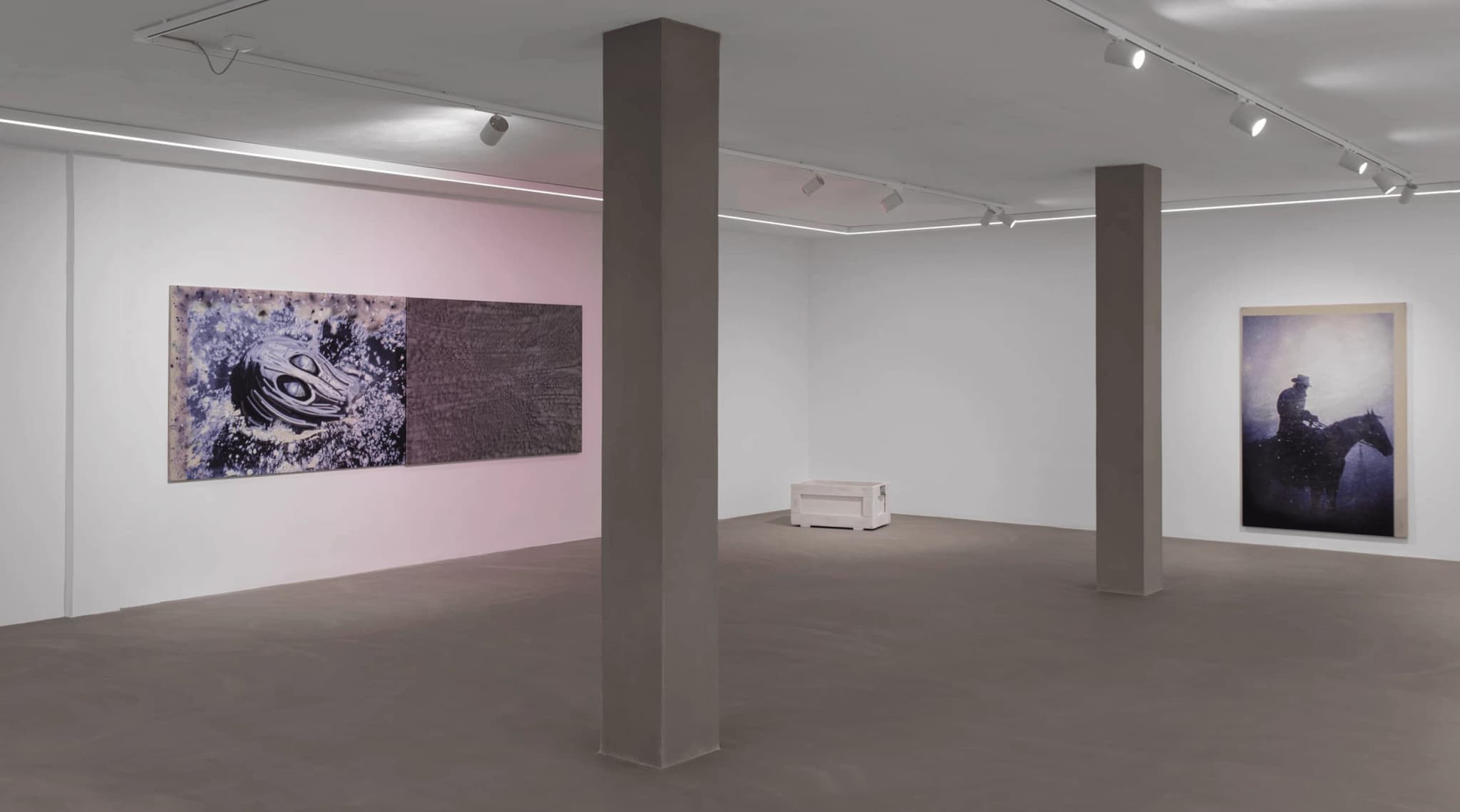


Works
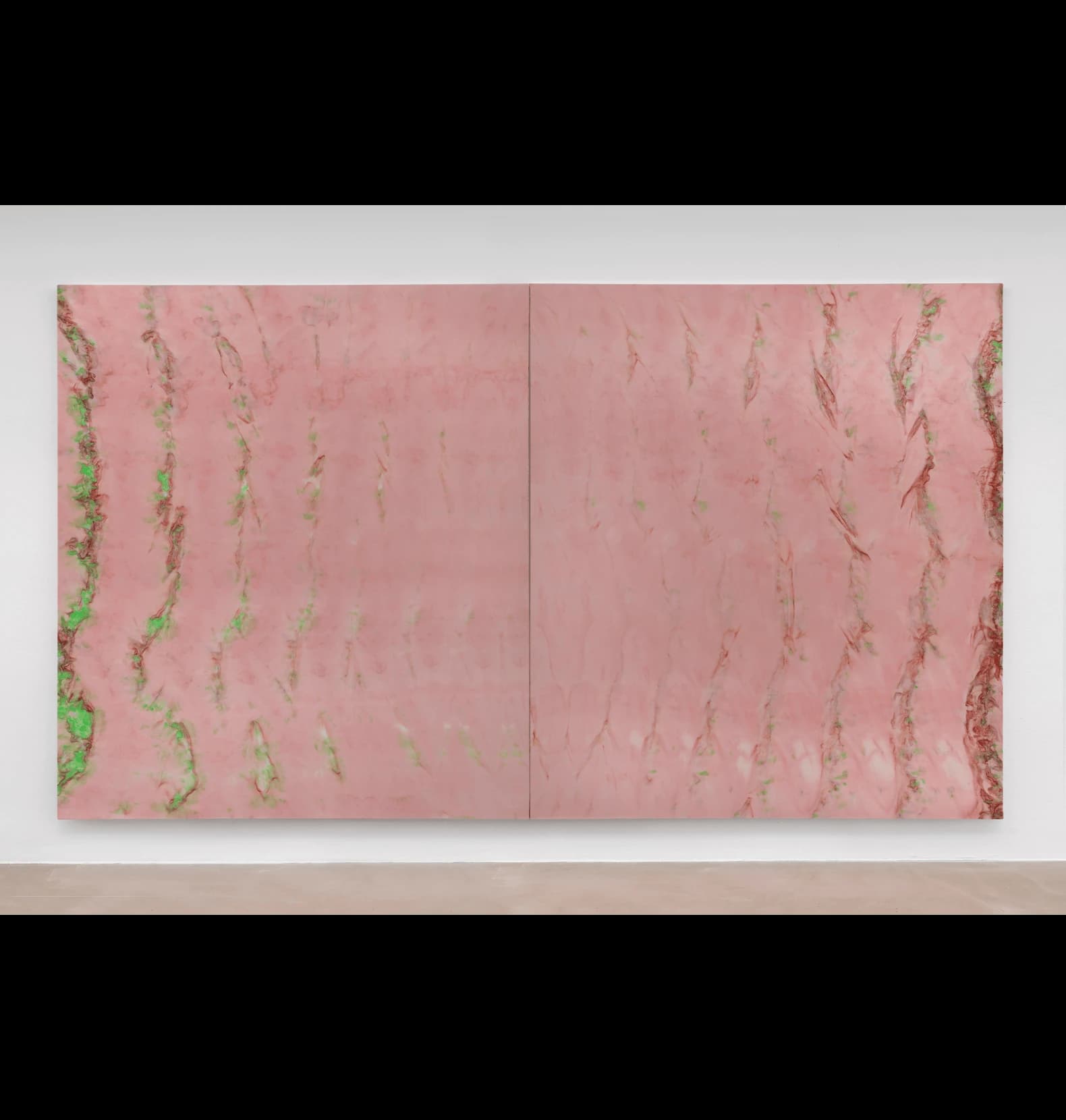
Lake of fire
Dye, acrylic and bleach on satin
200 x 280 cm
Lake of fire
Max Boyla
Dye, acrylic and bleach on satin
200 x 280 cm
Enquire
Enquire
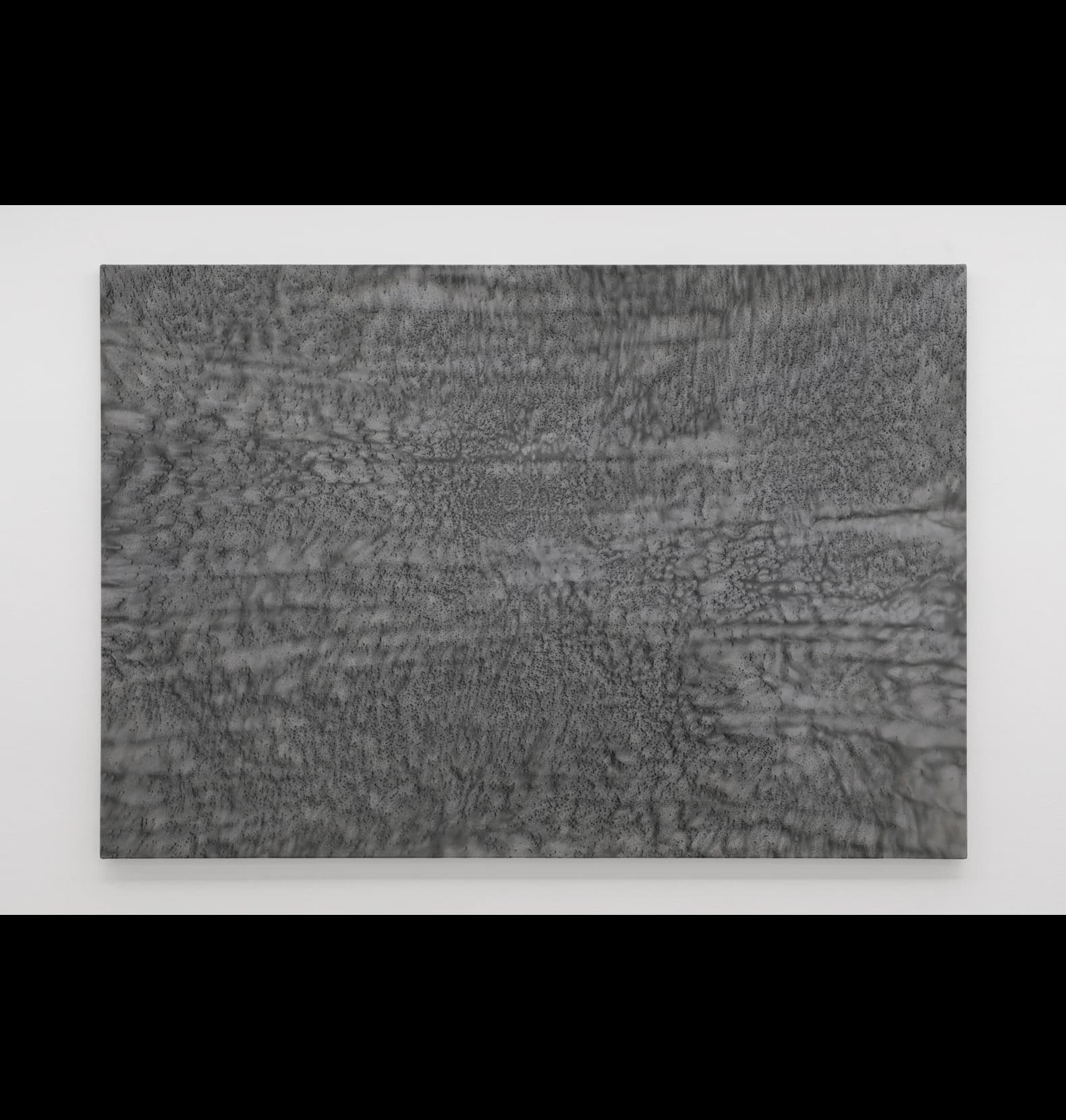
Luna del diablo
Dye, pigment and salt on satin
130 x 190 cm
Luna del diablo
Max Boyla
Dye, pigment and salt on satin
130 x 190 cm
Enquire
Enquire
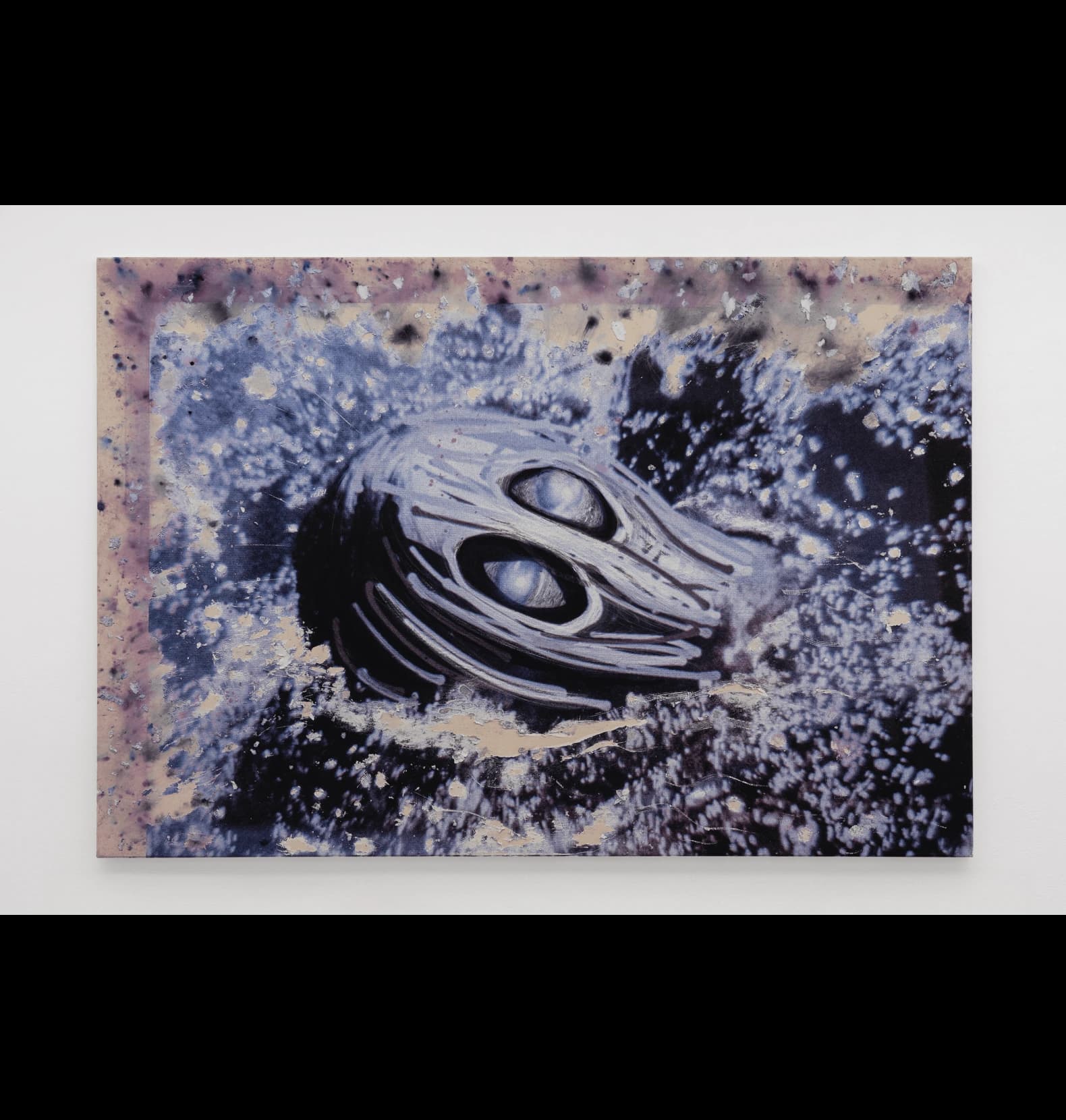
Look on the bright side
Poster, ink, acrylic and oil on canvas
130 x 190 cm
Look on the bright side
Max Boyla
Poster, ink, acrylic and oil on canvas
130 x 190 cm
Enquire
Enquire
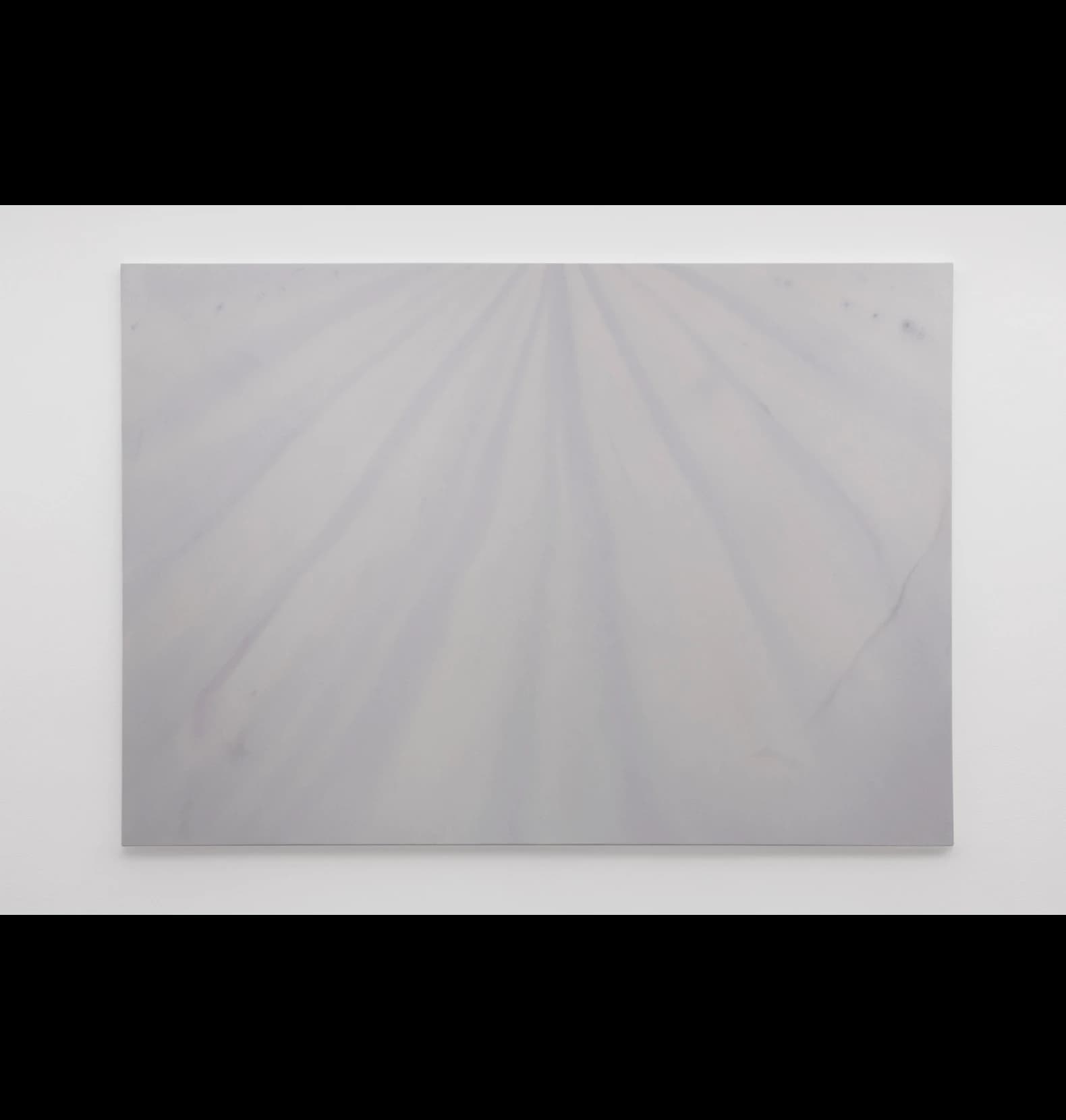
Pearls of the sky
Dye, acrylic and bleach on satin
140 x 200 cm
Pearls of the sky
Max Boyla
Dye, acrylic and bleach on satin
140 x 200 cm
Enquire
Enquire
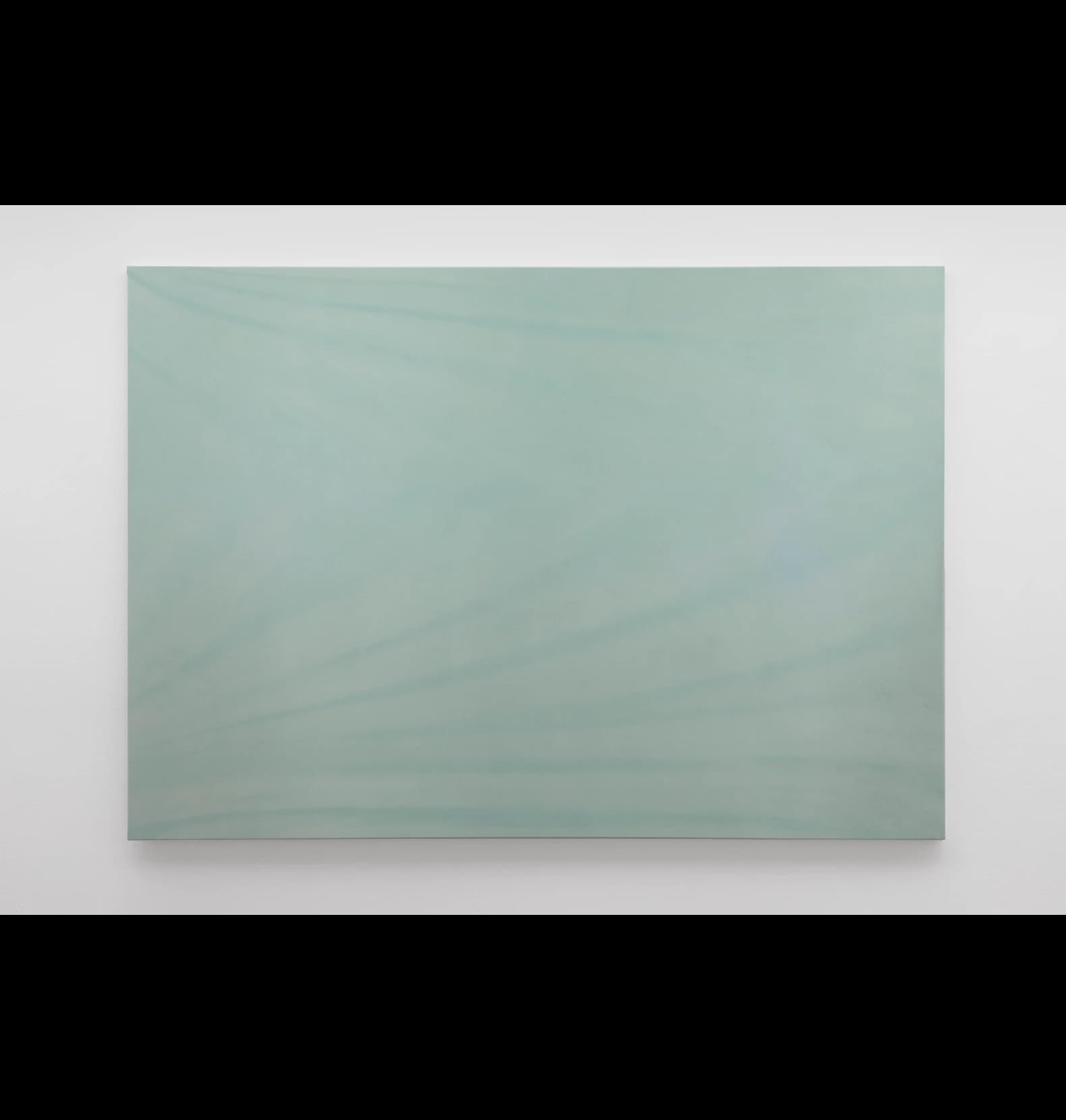
Shine and softness
Dye, acrylic and bleach on satin
140 x 200 cm
Shine and softness
Max Boyla
Dye, acrylic and bleach on satin
140 x 200 cm
Enquire
Enquire
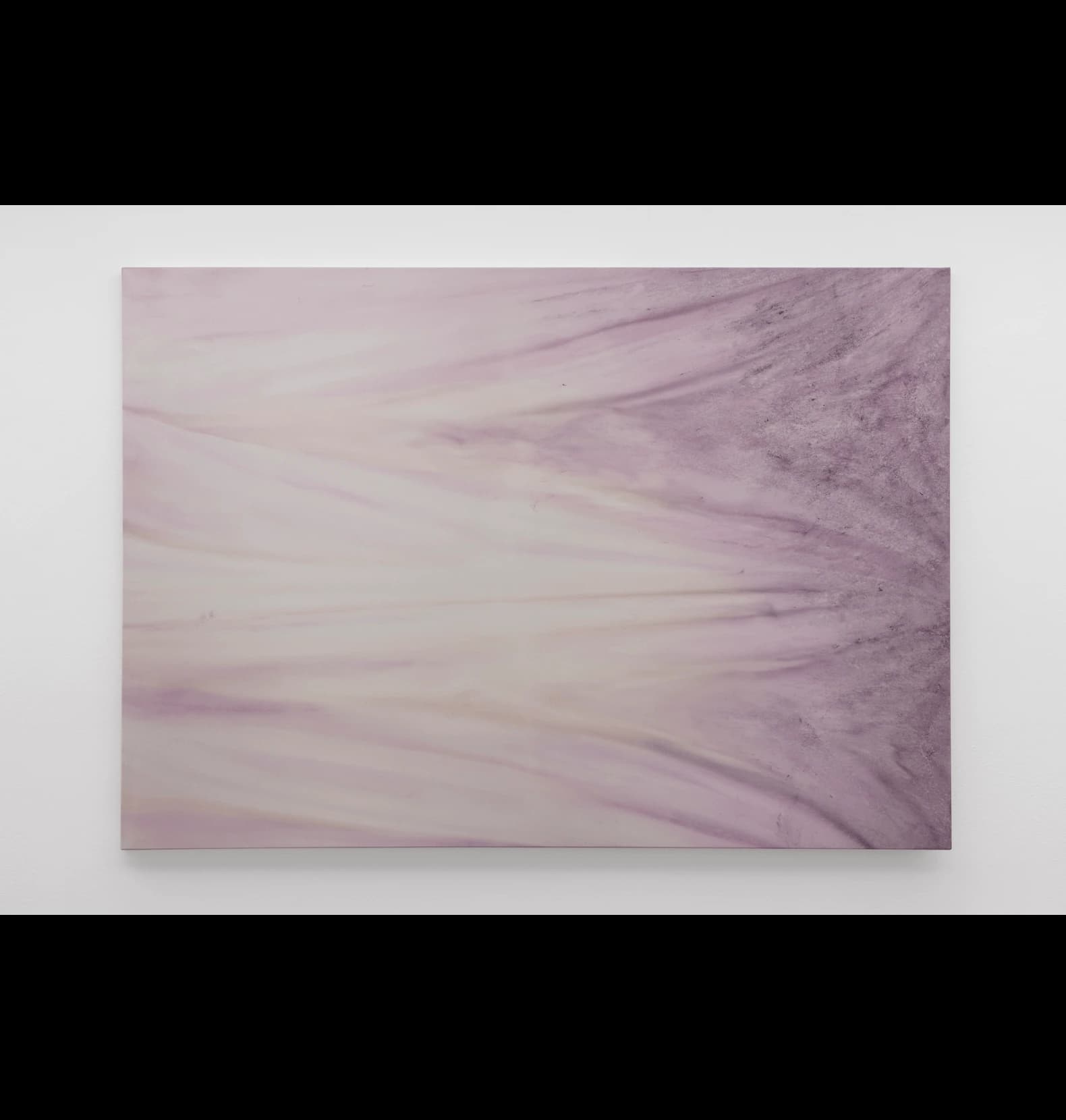
Dust at dawn
Dye, acrylic and bleach on satin
140 x 200 cm
Dust at dawn
Max Boyla
Dye, acrylic and bleach on satin
140 x 200 cm