Vindö - Eolian Island
Björn Wessman
06.02.26 — 06.03.26
With: Björn Wessman.
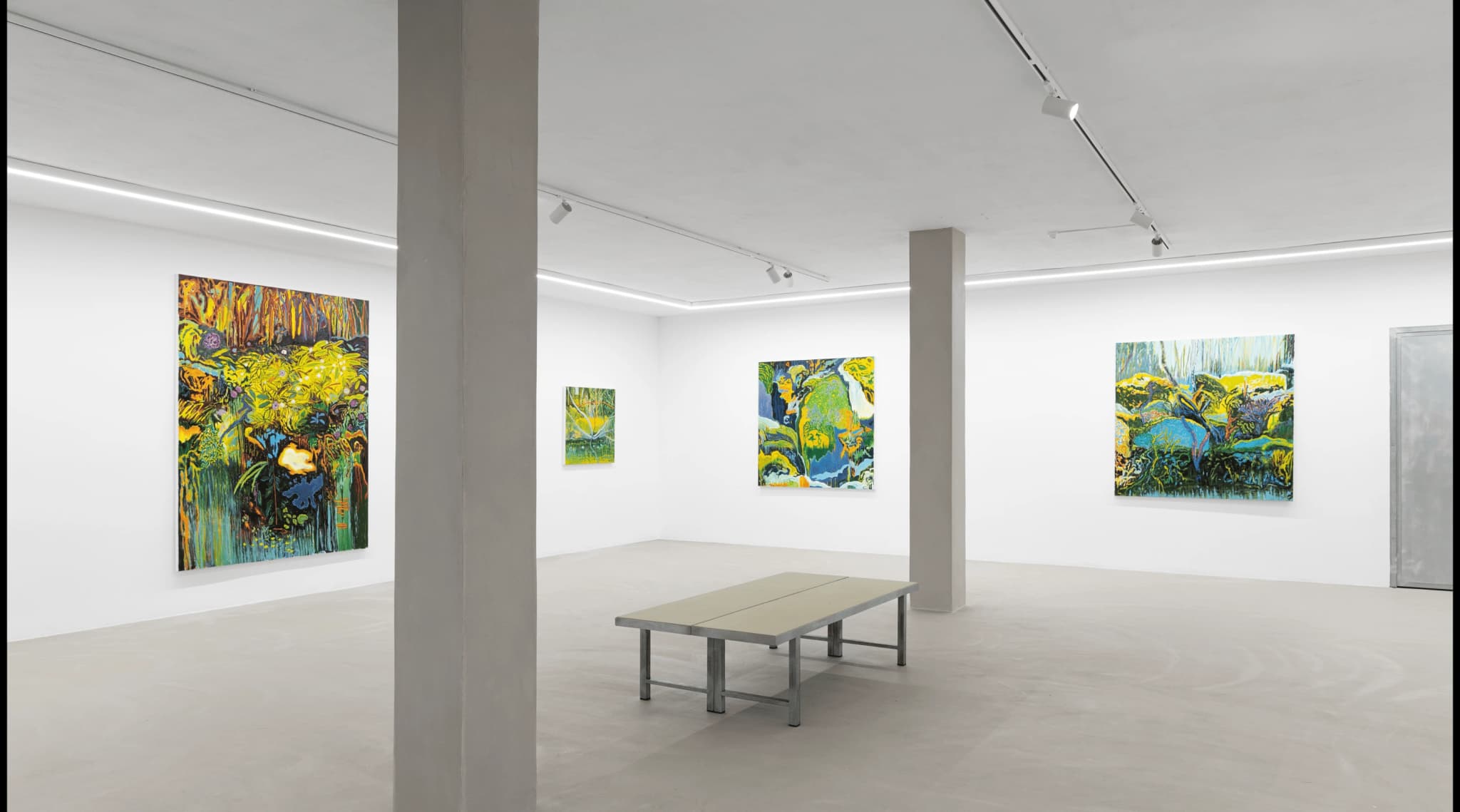
Björn Wessman’s painting emerges from the landscape as a sensorial experience of inhabiting it. Vindö – Eolian Island takes its title from the Swedish island where the artist lives and works, a place shaped by wind, water, vegetation, and a constantly shifting geography. This environment becomes both subject and method, forming the basis of a deeply personal pictorial language.
Wessman moves through the landscape with an attentive and internalised gaze. Walking, observing, and absorbing his surroundings, he gathers fragments of lived experience such as light, reflections, contrasts, and unexpected colors, which later reappear in the studio. As the artist has noted, “when you meet the new canvas it’s a tabula rasa,” a space of openness where perception can be reconfigured. Photographic images function as an initial point of reference, but the painting process gradually moves toward an organic abstraction in which memory, sensation, and emotion take precedence.
The artist understands landscape as an expanded collage. “A collage with everything around me,” where different places, moments, and perceptions converge on a single pictorial surface. The works presented in this exhibition maintain a direct relationship with the surroundings of his atelier, including ponds, waterfalls, wooded areas, and cultivated spaces, while also incorporating memories of travel and other territories. Landscape in Wessman’s work is mutable and emotionally permeable.
A particularly significant work in the exhibition is Primavera, which offers an intimate translation of the Japanese garden outside the artist’s studio. Wessman has described the Zen garden as the transformation of the real landscapes surrounding the Shrine into an abstraction. Conceived as a place of contemplation and seasonal transformation, the garden becomes in the painting a vibrant field of color and rhythm. Wessman states, “my garden is my three-dimensional painting,” a living space that continuously feeds his two-dimensional practice. In Primavera, nature is experienced through chromatic intensity and spatial openness.
Color plays a central role in Wessman’s practice, functioning as an expressive and structuring force. Green woods unfold into yellow fields, and water resonates through intensified chromatic vibrations. This approach aligns his work with the legacy of expressionism, emphasizing subjective perception and emotional intensity. His paintings echo the sensuous color fields of Pierre Bonnard, the radical chromatic freedom of Henri Matisse, and the psychologically charged landscapes of Peter Doig, artists who have informed Wessman’s understanding of color as both spatial and emotional substance.
Spatiality is fundamental to his work. Wessman conceives painting as an immersive field capable of enveloping the viewer. Standing before the canvas becomes a bodily and perceptual experience, allowing the viewer to encounter the painting as a state that mirrors the moment in which the work itself reaches completion.
Björn Wessman’s work engages with the history of landscape painting while actively reformulating it in the present. Vindö – Eolian Island unfolds beyond a physical location, becoming a mental and emotional territory shaped by wind, color, memory, and lived experience, continuously reassembled into a living, open painting.


Works
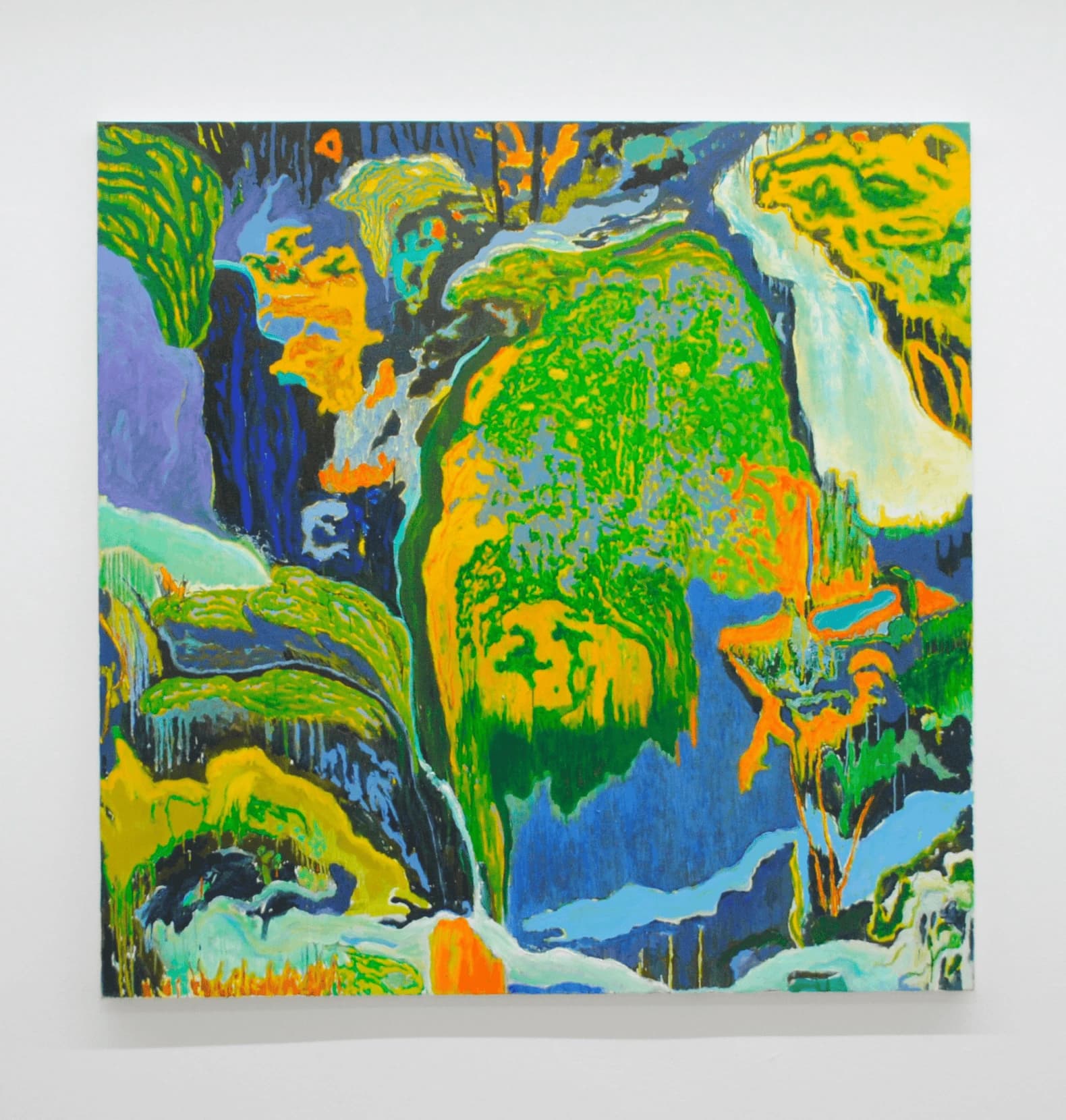
Porla
Oil on canvas
152 x 152 cm
Porla
Björn Wessman
Oil on canvas
152 x 152 cm
Enquire
Enquire
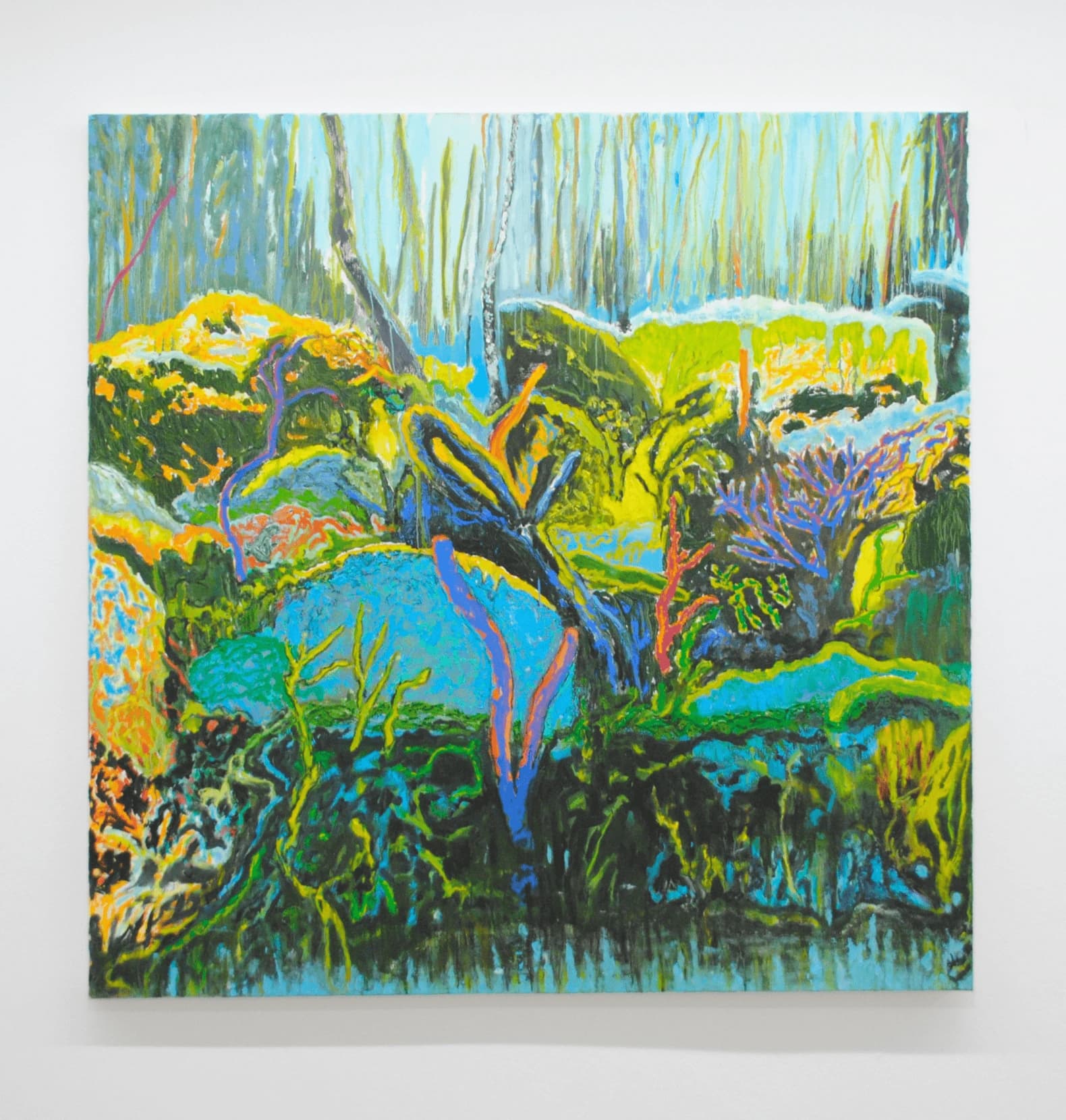
Blåkölen
Oil on canvas
152 x 152 cm
Blåkölen
Björn Wessman
Oil on canvas
152 x 152 cm
Enquire
Enquire
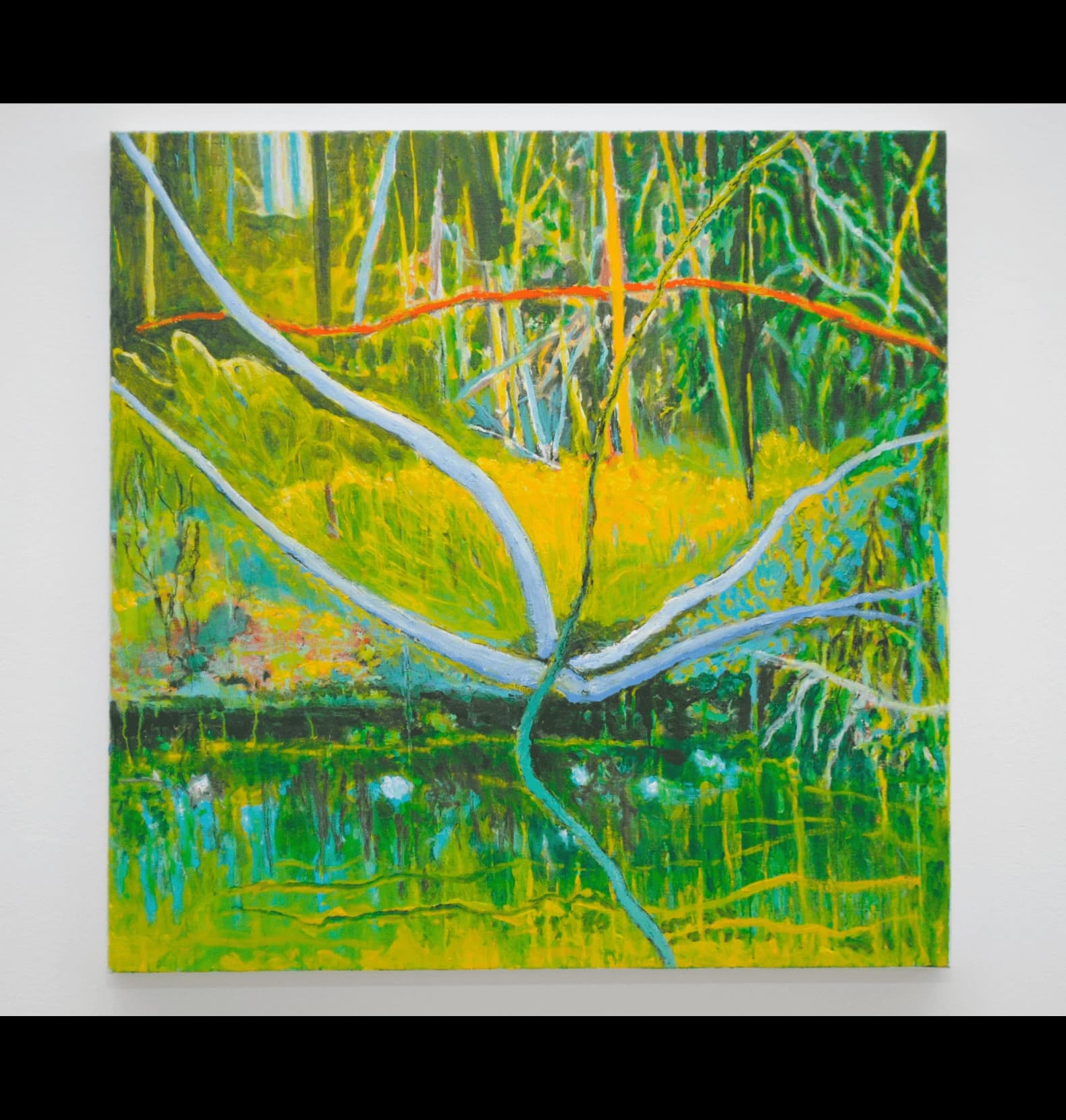
Reservat II
Oil on canvas
90 x 90 cm
Reservat II
Björn Wessman
Oil on canvas
90 x 90 cm
Enquire
Enquire
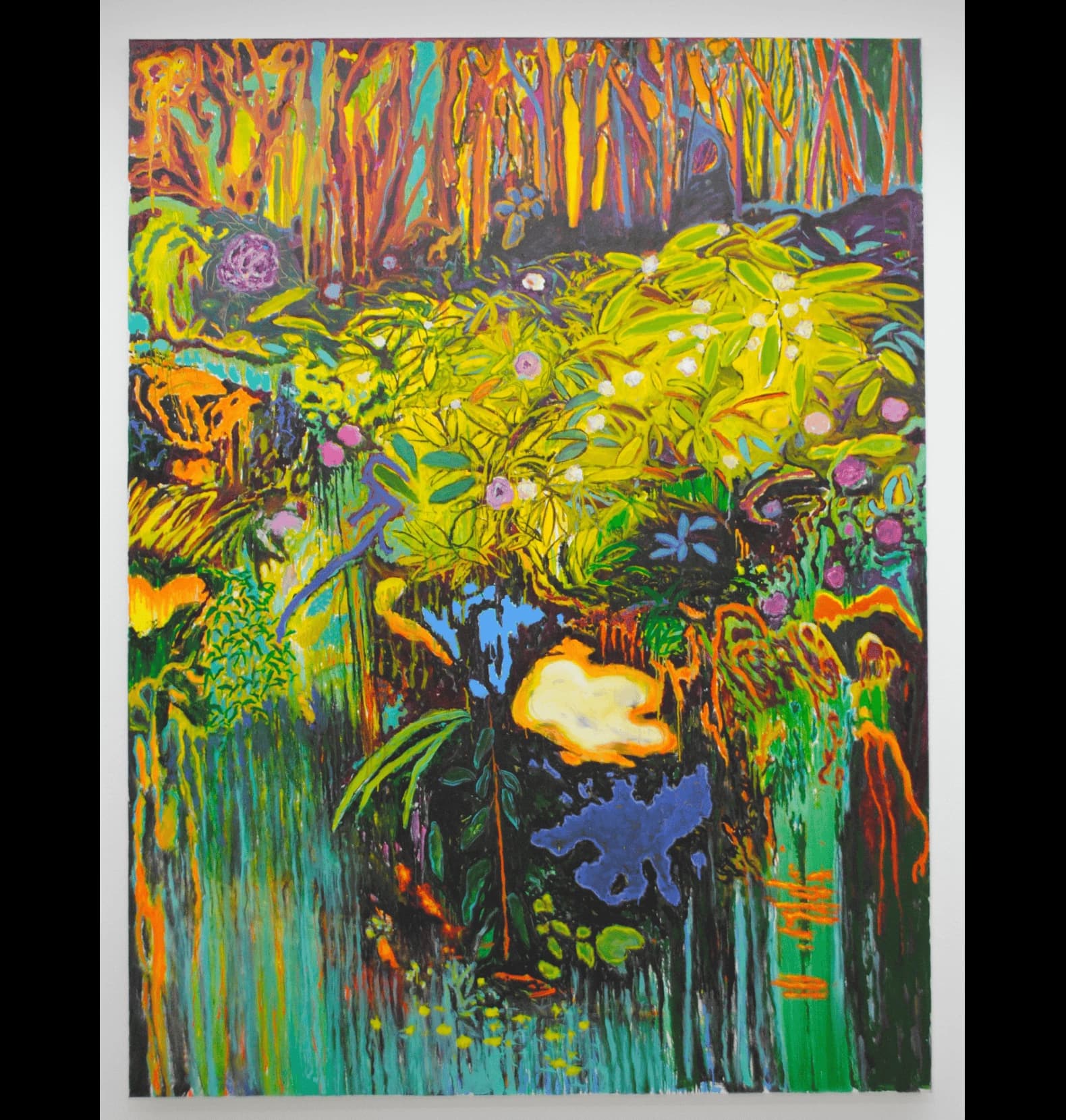
Primavera
Oil on canvas
225 x 170 cm
Primavera
Björn Wessman
Oil on canvas
225 x 170 cm
Enquire
Enquire
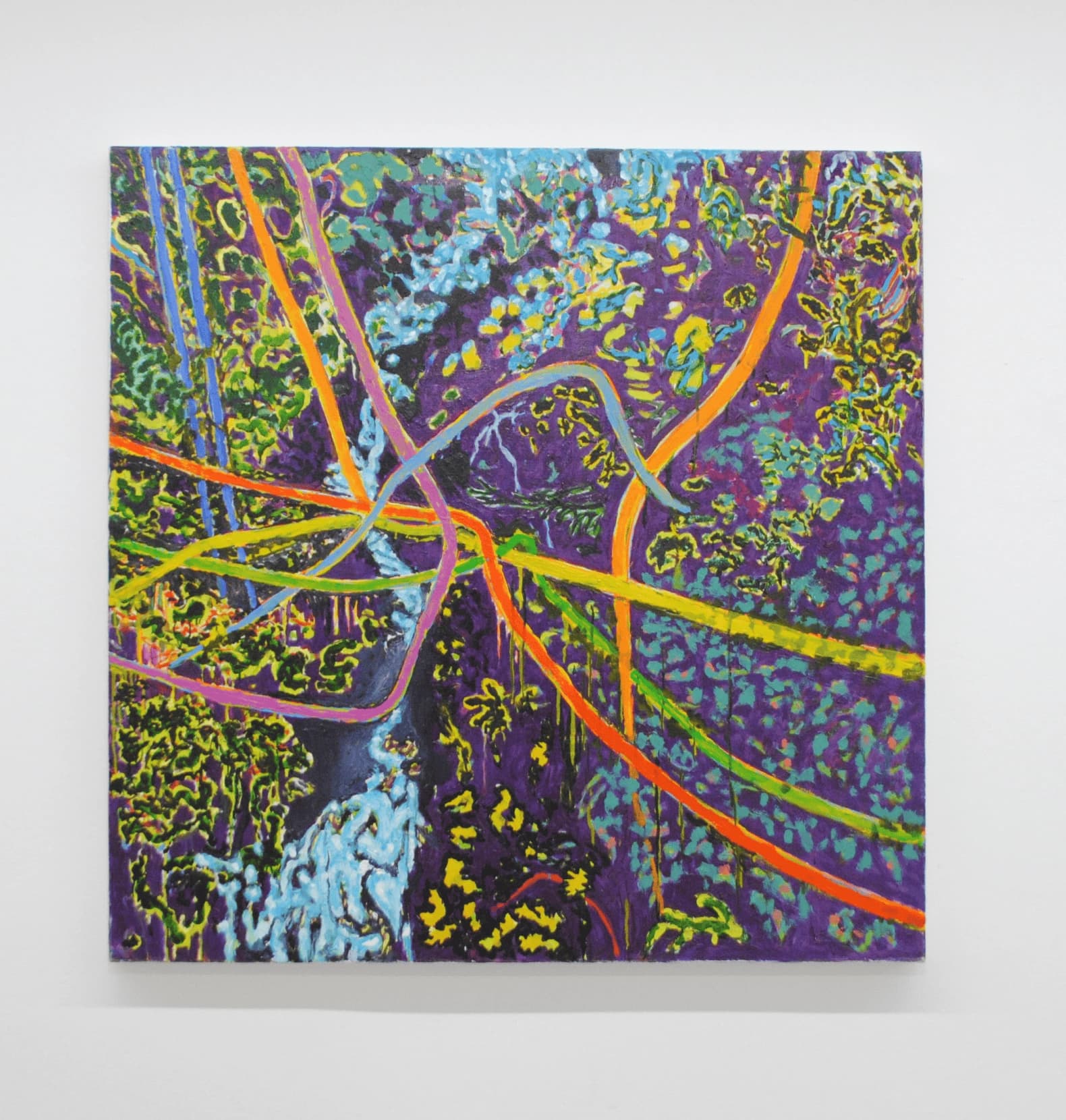
Network II
Oil on canvas
120 x 120 cm
Network II
Björn Wessman
Oil on canvas
120 x 120 cm
Enquire
Enquire
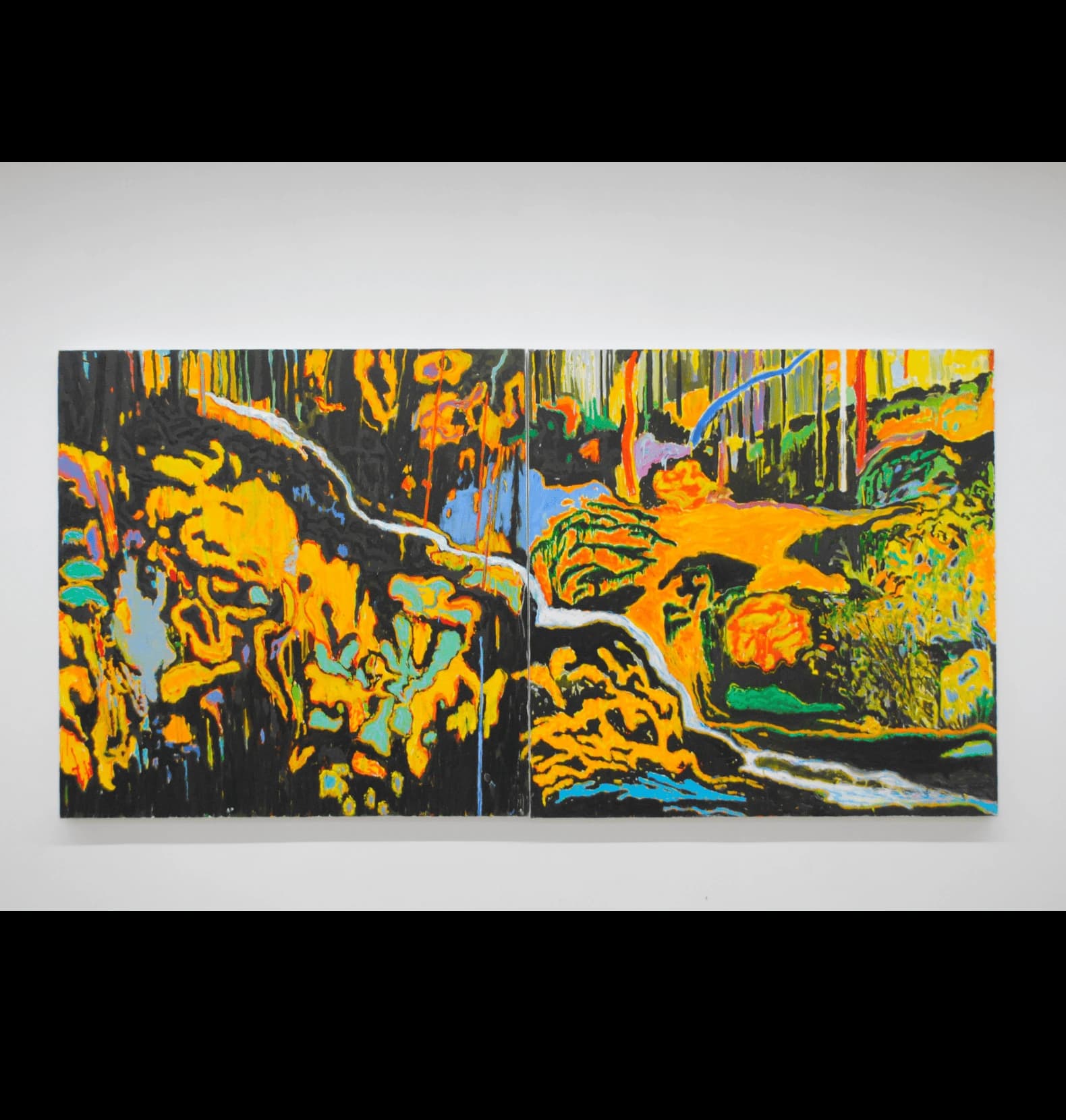
Backen
Oil on canvas
120 x 240 cm
Backen
Björn Wessman
Oil on canvas
120 x 240 cm